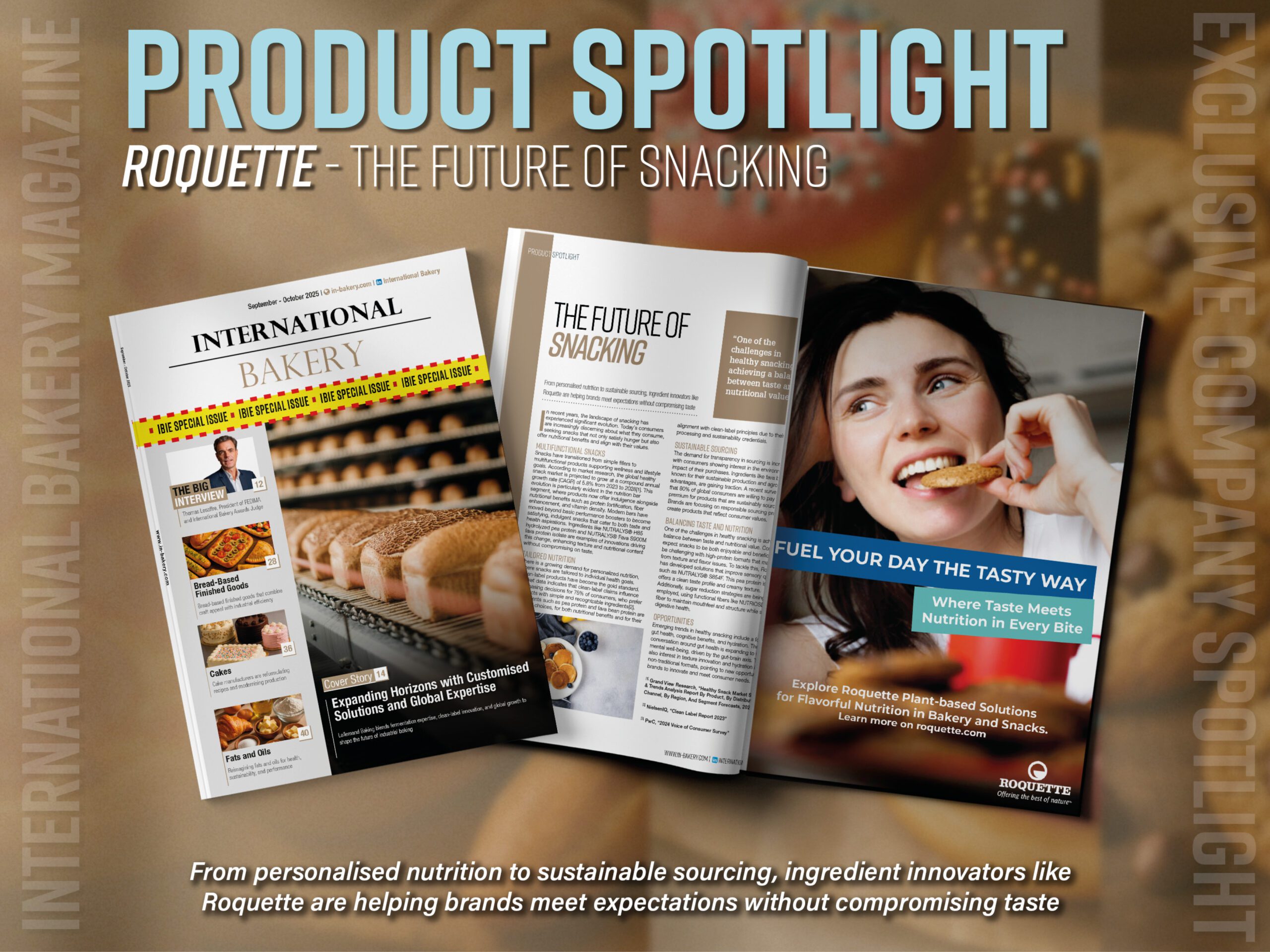

From personalised nutrition to sustainable sourcing, ingredient innovators like Roquette are helping brands meet expectations without compromising taste
In recent years, the landscape of snacking has experienced significant evolution. Today’s consumers are increasingly discerning about what they consume, seeking snacks that not only satisfy hunger but also offer nutritional benefits and align with their values.
Multifunctional Snacks
Snacks have transitioned from simple fillers to multifunctional products supporting wellness and lifestyle goals. According to market research, the global healthy snack market is projected to grow at a compound annual growth rate (CAGR) of 5.8% from 2023 to 2028[1]. This evolution is particularly evident in the nutrition bar segment, where products now offer indulgence alongside functional benefits such as protein fortification, fiber enhancement, and vitamin density. Modern bars have moved beyond basic performance boosters to become satisfying, indulgent snacks that cater to both taste and health aspirations. Ingredients like NUTRALYS® H85 hydrolyzed pea protein and NUTRALYS® Fava S900M fava protein isolate are examples of innovations driving this change, enhancing texture and nutritional content without compromising on taste.
Tailored Nutrition
There is a growing demand for personalized nutrition, where snacks are tailored to individual health goals. Clean-label products have become the gold standard. Market data indicates that clean-label claims influence purchasing decisions for 75% of consumers, who prefer products with simple and recognizable ingredients[2]. Ingredients such as pea protein and fava beans are popular choices, for both nutritional benefits and for their alignment with clean-label principles due to their minimal processing and sustainability credentials.
Sustainable Sourcing
The demand for transparency in sourcing is increasing, with consumers showing interest in the environmental impact of their purchases. Ingredients like fava beans, known for their sustainable production and agronomic advantages, are gaining traction. A recent survey found that 80% of global consumers are willing to pay a premium for products that are sustainably sourced[3]. Brands are focusing on responsible sourcing practices to create products that reflect consumer values.
Balancing Taste and Nutrition
One of the challenges in healthy snacking is achieving a balance between taste and nutritional value. Consumers expect snacks to be both enjoyable and beneficial. It can be challenging with high-protein formats that may suffer from texture and flavor issues. To tackle this, Roquette has developed solutions that improve sensory quality, such as NUTRALYS® S854F. This pea protein isolate offers a clean taste profile and creamy texture. Additionally, sugar reduction strategies are being employed, using functional fibers like NUTRIOSE® soluble fiber to maintain mouthfeel and structure while supporting digestive health.
Opportunities
Emerging trends in healthy snacking include a focus on gut health, cognitive benefits, and hydration. The conversation around gut health is expanding to include mental well-being, driven by the gut-brain axis. There is also interest in texture innovation and hydration benefits in non-traditional formats, pointing to new opportunities for brands to innovate and meet consumer needs.
[1] Grand View Research, “Healthy Snack Market Size, Share & Trends Analysis Report By Product, By Distribution Channel, By Region, And Segment Forecasts, 2023 – 2028”
[2] NielsenIQ, “Clean Label Report 2023”
[3] PwC, “2024 Voice of Consumer Survey”