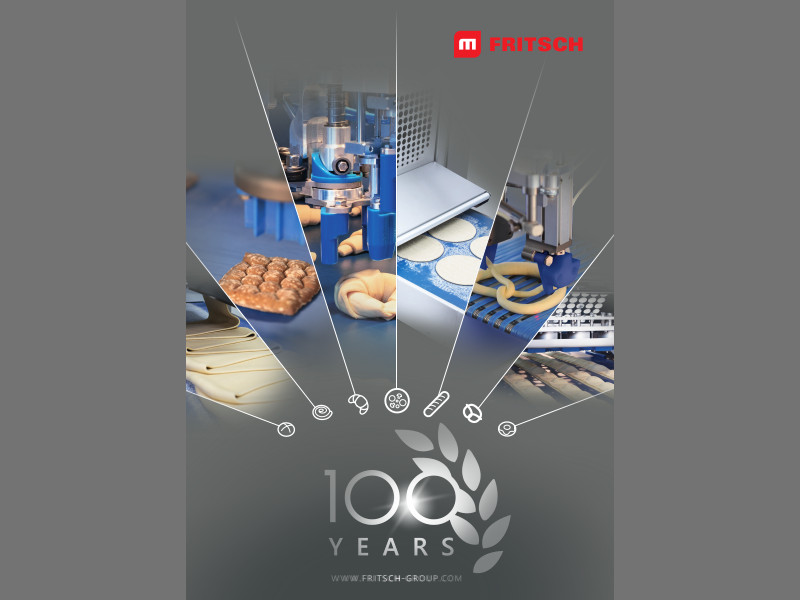

In the world of bakery technology, the name FRITSCH has been synonymous with German engineering and dough processing for 100 years.
Through future-oriented developments and tailor-made solutions, FRITSCH has built a portfolio designed to support both artisan bakers and industrial bakery manufacturers in producing a broad range of high-quality products.
The story began in 1926, when Alois Fritsch (1902–1981), a trained metalworker, took the step into self-employment in Wiese, in what is now the Czech Republic. After the Second World War, he relocated to Bavaria. Working from a small workshop in Franconia, he initially manufactured poppy seed mills.
Close contact with local bakers soon led to an idea that would shape the company’s future: developing machinery capable of processing dough gently while reducing the amount of manual work required within the bakery.
Where did dough processing begin?
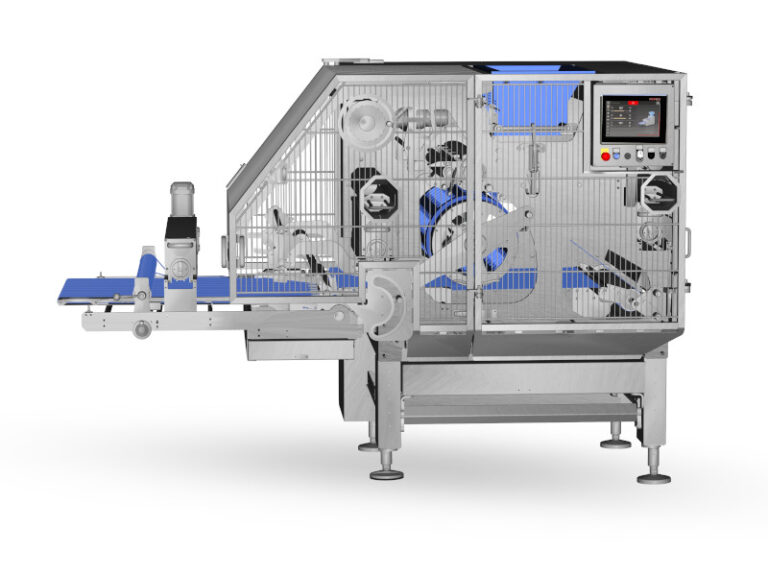
In 1954, the first FRITSCH dough sheeter was created. Drawing on his technical understanding and practical knowledge of dough, Alois Fritsch continued to refine the solution. Three years after the introduction of the first ROLLFIX, sales had already reached 40 machines per month. Two decades later, it had become difficult to imagine many bakeries without the technology.
It represented the first major milestone in a company history that would increasingly be shaped by the mechanisation and automation of bakery production.
Guided by the principle “Creating what the market needs”, FRITSCH aimed to develop machinery that could improve profitability while maintaining the quality of the dough and finished product.
The ROLLFIX range of dough sheeting machines provided the foundation for further solutions capable of handling a wide variety of dough-processing tasks. New patents and technical developments followed, while production of the ROLLFIX range continued to expand.
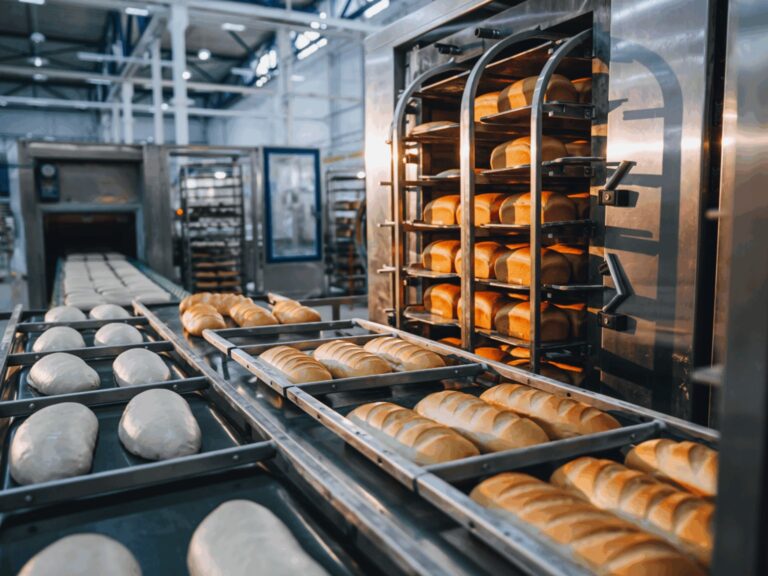
For the first time, a single machine could be used to roll and shape different types of dough. It could also be used to form loaves into round or long shapes and support croissant production. In combination with the TEILFIX dough weighing machine, the one-man bread production line developed during the 1960s into a successful system that gained recognition beyond Germany.
The concept demonstrated an important shift within bakery production. Rather than viewing each stage as an isolated manual task, equipment could increasingly connect individual processes and enable one operator to achieve greater levels of consistency and productivity.
How did automation develop?
In 1968, FRITSCH introduced a complete line for pastry production featuring newly developed auxiliary equipment. This included the WIRKFIX eccentric moulding system, cutting tables for pastries and the ROLLEX croissant coiling machine, which operated without coiling belts. At the same time, the increasing use of electronic components enabled more bakery processes to be automated.
Strong growth across the business soon pushed the company towards the limits of its existing manufacturing capacity. Consequently, in 1968, Plant 2 – the company’s own iron and metal foundry – was commissioned. The headquarters in Markt Einersheim were also expanded.
Between 1970 and 1972, new production halls and a multi-storey administration building were constructed, providing the foundations for continued development as demand for bakery automation increased. The early 1980s marked another important step as FRITSCH began to move further into industrial croissant production.