
Fabio Del Prete, Senior Vice President at GEA Bakery outlines how technology, data and collaboration are helping bakery manufacturers balance efficiency, flexibility and product quality…
The bakery industry is changing rapidly. Manufacturers are being asked to respond to new consumer expectations while dealing with rising production costs, raw material volatility and increasing pressure to improve sustainability. From our perspective at GEA Bakery, these challenges are changing not only what bakeries produce, but also how they approach innovation.
Today, efficiency alone is no longer enough. Producers need flexibility, consistent quality and greater control over their processes. At the same time, they are looking for ways to modernize existing production environments without necessarily replacing entire lines.
This is driving an important shift in industrial baking: from optimizing individual machines to looking at the complete production process.
When we work with customers, we increasingly look at how different stages of production interact, from ingredients and recipe development through depositing, baking and cooling, all the way to data collection and ongoing equipment performance. This more integrated view can reveal opportunities to improve both productivity and product quality.
Innovation starts with the product
One of the most interesting aspects of our work is that innovation often begins with a product idea rather than with a machine.
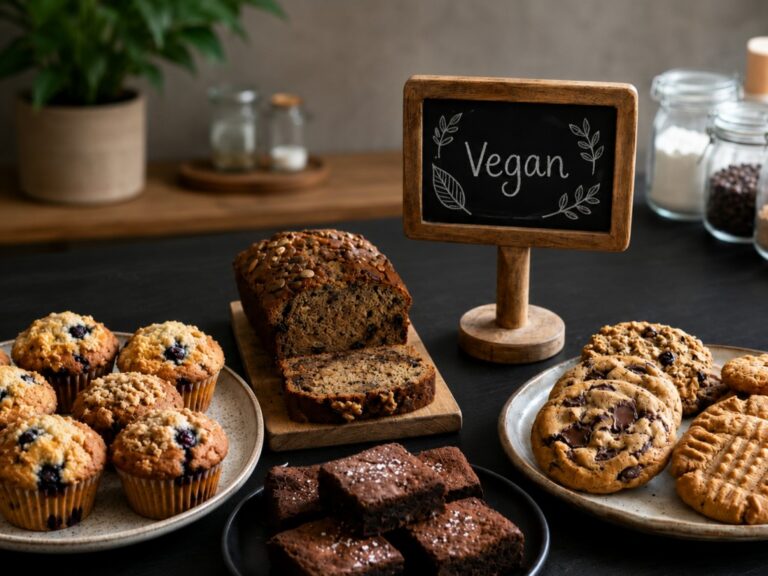
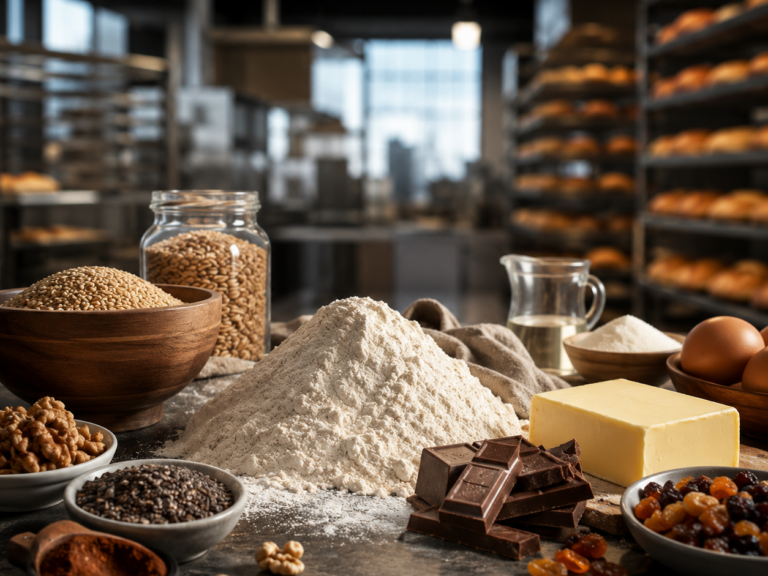
A new recipe can introduce very different processing challenges. Plant-based, high-protein and reduced-sugar products, for example, may behave differently from traditional formulations. Changes in ingredients can affect hydration, dough structure, depositing behaviour and baking characteristics.
That is why we believe testing is such an important part of innovation.
At the GEA Bakery Experience Center in Verona, our food technologists work directly with customers to develop and refine recipes and processes. The center combines an advanced R&D laboratory with two fully equipped pilot lines, allowing us to reproduce production conditions and evaluate how a product behaves before moving to industrial scale.
We can analyze raw materials, adjust recipes, test process parameters and validate the final product. This helps identify potential challenges earlier and reduces the number of trial-and-error cycles required during development.
For customers, the benefit is not simply a successful test. It is greater confidence when moving from development to investment and production.
Preserving product identity at industrial scale
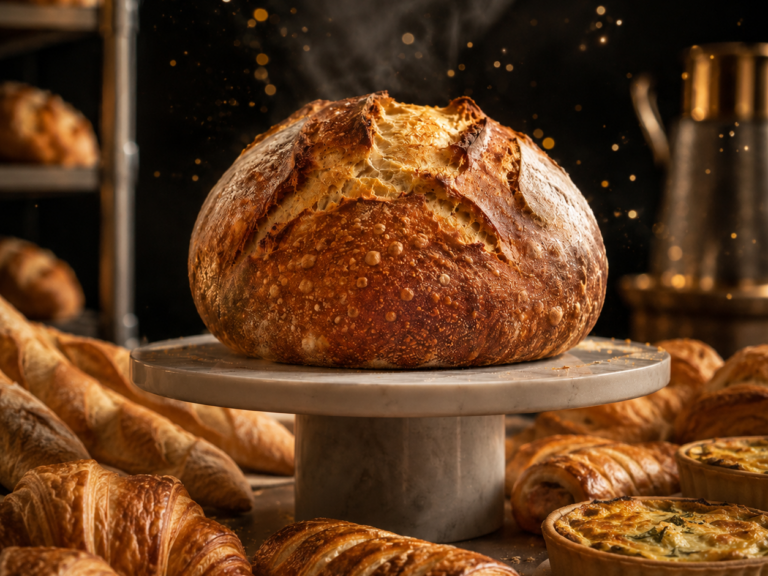
Maintaining product quality at industrial scale starts with a detailed understanding of how ingredients, recipes and process conditions interact. Texture, color, bite and appearance can all be influenced by relatively small variations in processing.
By combining food expertise, precise process control and testing under realistic production conditions, we help customers identify the parameters needed to reproduce their products consistently at scale.
Testing under realistic production conditions also allows us to identify potential challenges early and fine-tune the process before scale-up. This helps customers validate product performance and establish reliable, repeatable production parameters.