
At interpack, GEA Bakery highlighted one of its newest innovations, helping industrial bakers increase energy efficiency and drive Sustainable Innovation
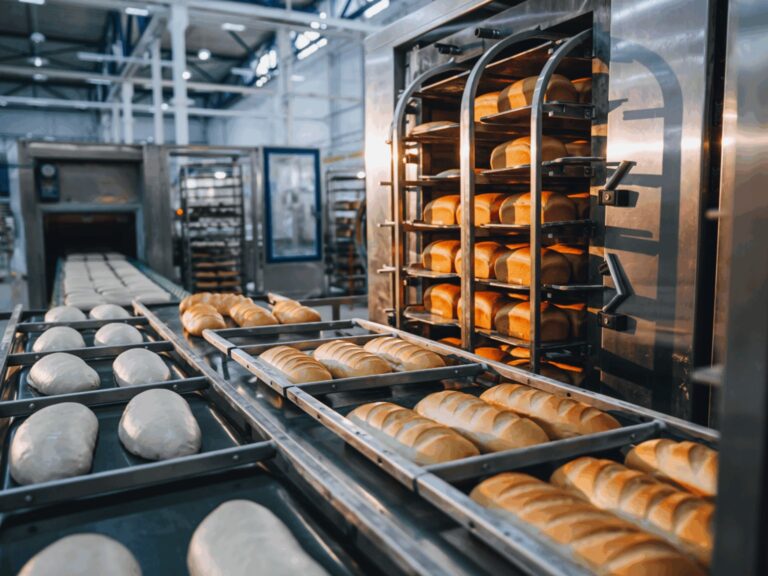
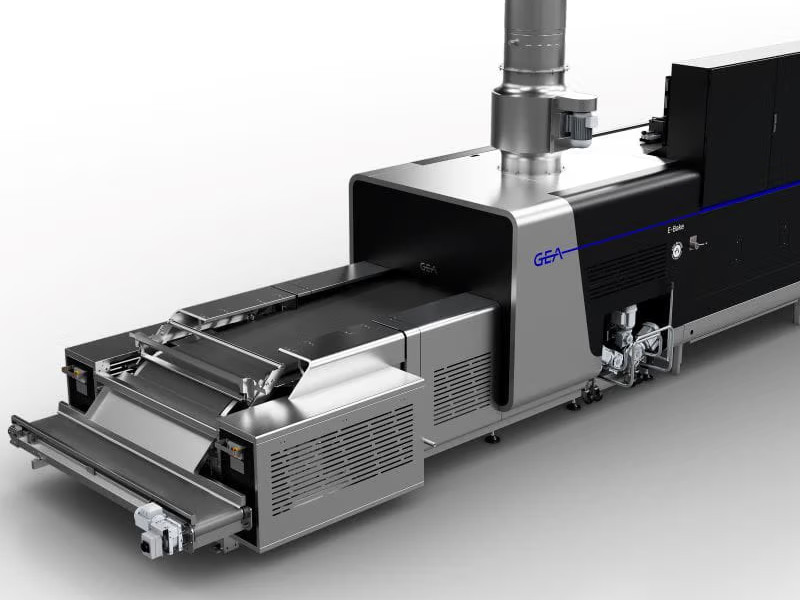
At interpack 2026, GEA introduced the new GEA E-Bake G2 tunnel oven, a next-generation baking solution designed to address two of the bakery industry’s biggest challenges: energy efficiency and sustainability. Combining advanced electric baking technology with precise process control, the E-Bake G2 reflects the growing industry demand for lower emissions, reduced operating costs, and greater production consistency.
The development of the E-Bake G2 was driven by increasing pressure on bakeries to manage volatile energy prices and improve environmental performance. Speaking at interpack 2026, Stefano Antonini, Senior Vice President GEA Bakery, highlighted how sustainability and energy optimisation are becoming central drivers of innovation across the bakery sector. “The biggest struggle of the bakery industry is the volatility of the price of energy and the volatility of the price of raw materials,” he explained, adding that GEA’s latest innovations are designed specifically to help customers address these challenges.
The E-Bake G2 has been engineered to significantly reduce energy consumption while maintaining high baking performance and product quality. Compared to the previous G1 gas version, the oven delivers up to 40% lower energy consumption while also reducing CO₂ emissions to zero during operation. This makes the oven particularly attractive for manufacturers seeking to align production with sustainability targets and increasingly stringent environmental regulations.
A key feature of the E-Bake G2 is its advanced airflow and baking chamber design. The oven incorporates innovative airflow systems, micro convection technology, and enhanced localized ventilation to create highly controlled baking conditions. Each module is individually managed by zone, allowing operators to tailor airflow, temperature, and baking parameters according to specific product requirements. This level of precision helps ensure highly repeatable baking results and consistent product uniformity across production batches.
Further engineering improvements contribute to the oven’s overall efficiency. Reduced thermal bridges and a redesigned configuration of electrical resistances help optimise heat transfer and minimise unnecessary energy loss throughout the baking process. The compact baking chamber design also contributes to improved thermal efficiency while supporting stable process conditions.
Operational efficiency was another important consideration in the oven’s development. GEA designed the E-Bake G2 with full cleanability in mind, supporting hygiene and simplified maintenance within industrial bakery environments. In addition, pre-assembled Plug&Play modules enable faster installation and smoother commissioning, reducing downtime during implementation and allowing bakeries to transition more easily toward electric baking technologies.
Focusing on innovation
The launch of the E-Bake G2 also reflects GEA Bakery’s broader focus on innovation, automation, and digitalisation. Stefano also noted that GEA is continuing to invest in technologies such as vision systems and automated process controls capable of proactively adjusting oven settings based on final product quality. These developments are expected to play an increasingly important role as bakeries continue pursuing greater efficiency, consistency, and production intelligence.
Formed through the integration of Imaforni and Comas into GEA Group, GEA Bakery combines more than 100 years of expertise in bakery processing technologies. Today, the business supports customers in more than 100 countries with solutions spanning crackers, biscuits, cakes, pastries, pizza, and other baked products, with sustainability and process performance remaining at the centre of its long-term strategy.