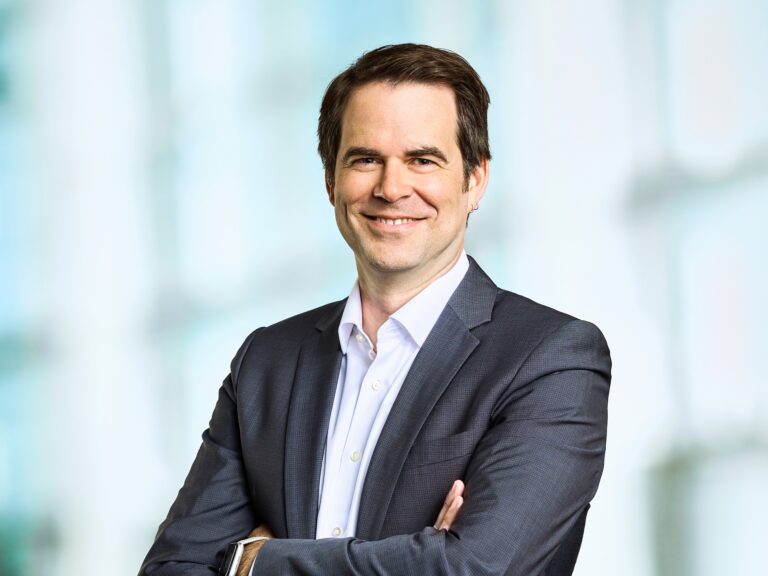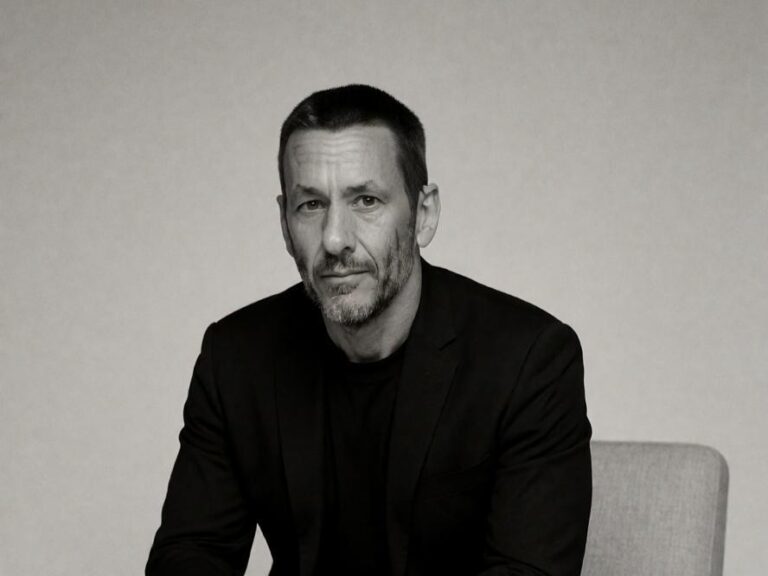
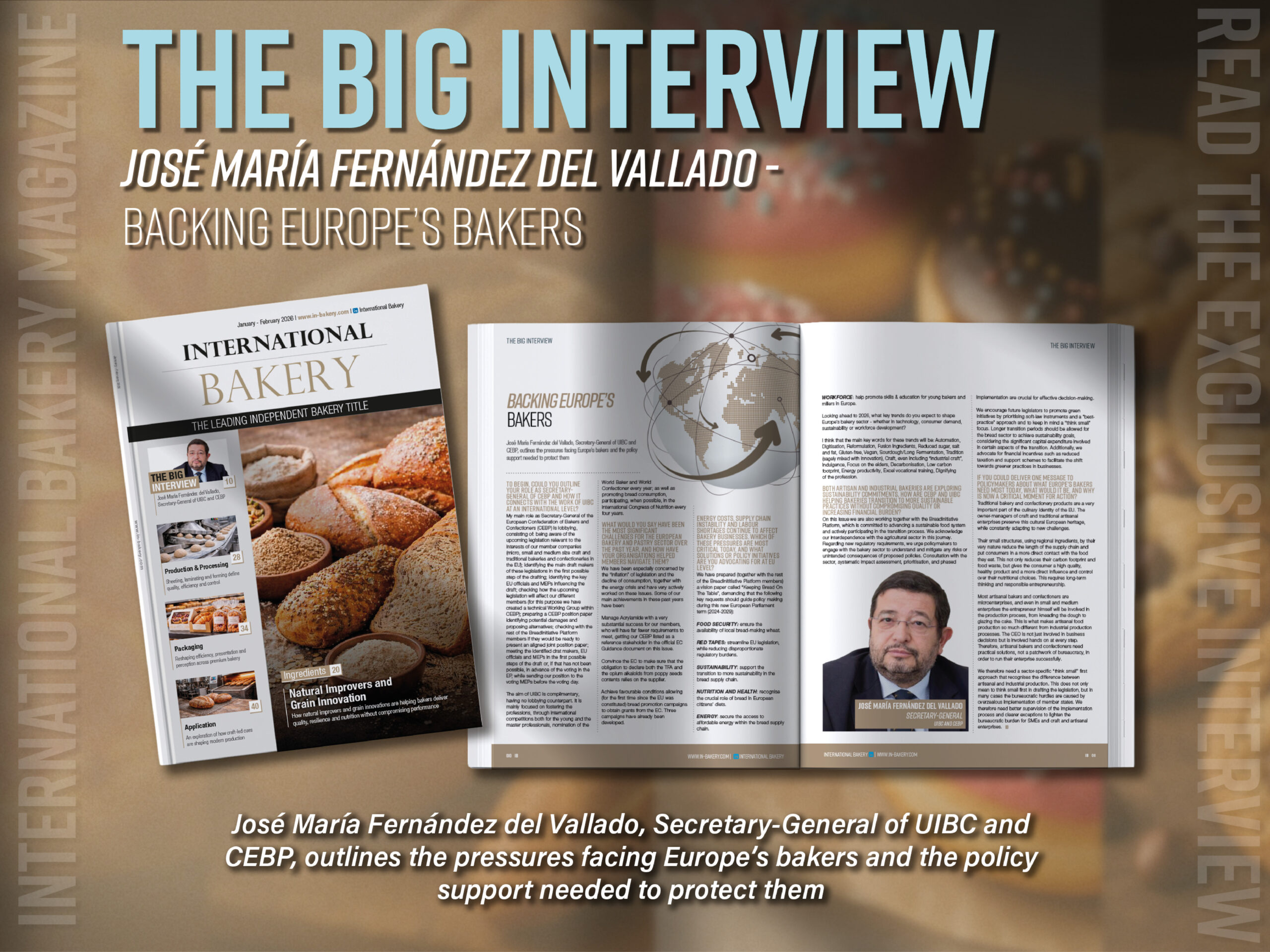

José María Fernández del Vallado, Secretary-General of UIBC and CEBP, outlines the pressures facing Europe’s bakers and the policy support needed to protect them
To begin, could you outline your role as Secretary-General of CEBP and how it connects with the work of UIBC at an international level?
My main role as Secretary-General of the European Confederation of Bakers and Confectioners (CEBP) is lobbying, consisting of: being aware of the upcoming legislation relevant to the interests of our member companies (micro, small and medium size craft and traditional bakeries and confectioneries in the EU); identifying the main draft makers of these legislations in the first possible step of the drafting; identifying the key EU officials and MEPs influencing the draft; checking how the upcoming legislation will affect our different members (for this purpose we have created a technical Working Group within CEBP); preparing a CEBP position paper identifying potential damages and proposing alternatives; checking with the rest of the BreadInitiative Platform members if they would be ready to present an aligned joint position paper; meeting the identified drat makers, EU officials and MEPs in the first possible steps of the draft or, if that has not been possible, in advance of the voting in the EP, while sending our position to the voting MEPs before the voting day.
The aim of UIBC is complimentary, having no lobbying counterpart. It is mainly focused on fostering the professions, through international competitions both for the young and the master professionals, nomination of the World Baker and World Confectioner every year; as well as promoting bread consumption, participating, when possible, in the International Congress of Nutrition every four years.
What would you say have been the most significant challenges for the European bakery and pastry sector over the past year, and how have your organisations helped members navigate them?
We have been especially concerned by the “inflation” of legislation and the decline of consumption, together with the energy crisis and have very actively worked on these issues. Some of our main achievements in these past years have been:
Manage Acrylamide with a very substantial success for our members, who will have far fewer requirements to meet, getting our CEBP listed as a reference stakeholder in the official EC Guidance document on this issue.
Convince the EC to make sure that the obligation to declare both the TFA and the opium alkaloids from poppy seeds contents relies on the supplier.
Achieve favourable conditions allowing (for the first time since the EU was constituted) bread promotion campaigns to obtain grants from the EC. Three campaigns have already been developed.
Energy costs, supply chain instability and labour shortages continue to affect bakery businesses. Which of these pressures are most critical today, and what solutions or policy initiatives are you advocating for at EU level?
We have prepared (together with the rest of the BreadInitiative Platform members) a vision paper called “Keeping Bread On The Table”, demanding that the following key requests should guide policy making during this new European Parliament term (2024-2029):
FOOD SECURITY: ensure the availability of local bread-making wheat.
RED TAPES: streamline EU legislation, while reducing disproportionate regulatory burdens.
SUSTAINABILITY: support the transition to more sustainability in the bread supply chain.
NUTRITION AND HEALTH: recognise the crucial role of bread in European citizens’ diets.
ENERGY: secure the access to affordable energy within the bread supply chain.
WORKFORCE: help promote skills & education for young bakers and millers in Europe.
Looking ahead to 2026, what key trends do you expect to shape Europe’s bakery sector – whether in technology, consumer demand, sustainability or workforce development?
I think that the main key words for these trends will be: Automation, Digitisation, Reformulation, Fusion ingredients, Reduced sugar, salt and fat, Gluten-free, Vegan, Sourdough/Long Fermentation, Tradition (sagely mixed with innovation), Craft, even including “industrial craft”, Indulgence, Focus on the elders, Decarbonisation, Low carbon footprint, Energy productivity, Excel vocational training, Dignifying of the profession.
Read the full interview in our latest issue here