
Leaveners – The Rising Agents

As baking methods and consumer preferences evolve, so do the challenges associated with leavening……

Share this article:

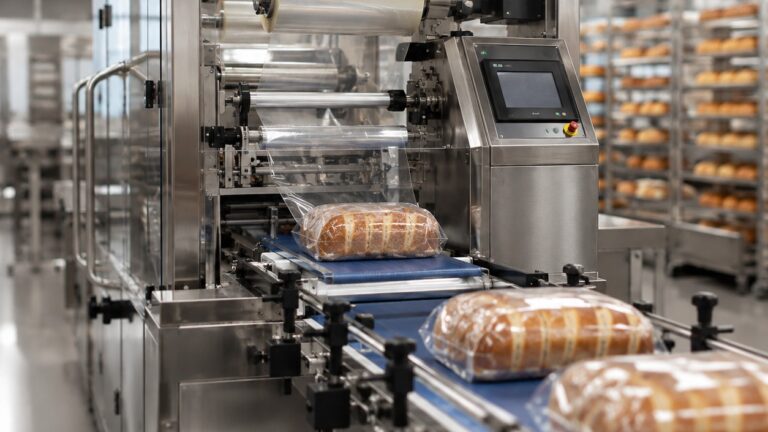
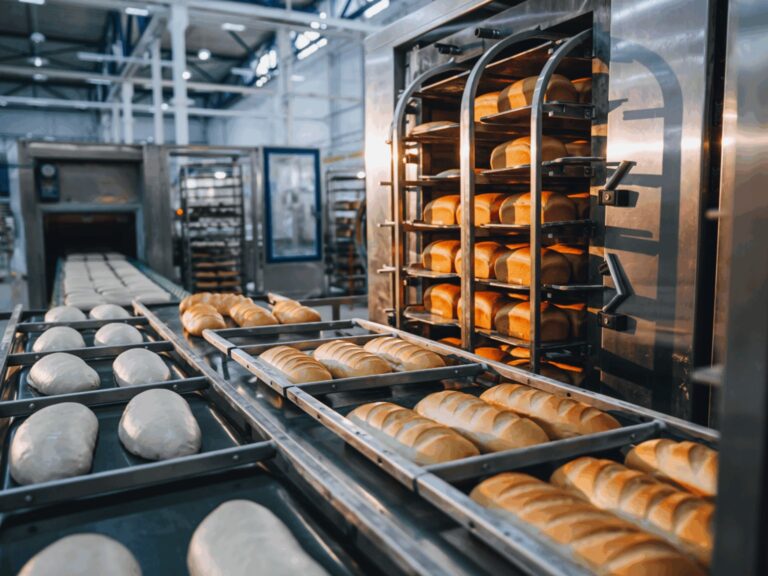
As baking methods and consumer preferences evolve, so do the challenges associated with leavening. Maintaining consistency is one of the biggest hurdles, particularly in industrial settings where precision is critical. Slight variations in the activation of leavening agents can lead to uneven textures or undesirable product outcomes, resulting in waste and inefficiencies. 

Clean-label demands have further complicated the landscape. Consumers increasingly seek baked goods free from artificial additives, aluminium-containing compounds, and other perceived “unhealthy” ingredients. This shift requires reformulation, often at the expense of the predictability and performance that traditional chemical leaveners offer. 

To address these concerns, many manufacturers are investing in natural and organic alternatives. Fermentation-derived acids, such as citric or lactic acid, are being used to enhance leavening performance without compromising label transparency. Additionally, advancements in plant-based and fermentation-derived proteins have enabled bakers to replace synthetic stabilisers while still achieving optimal texture. 

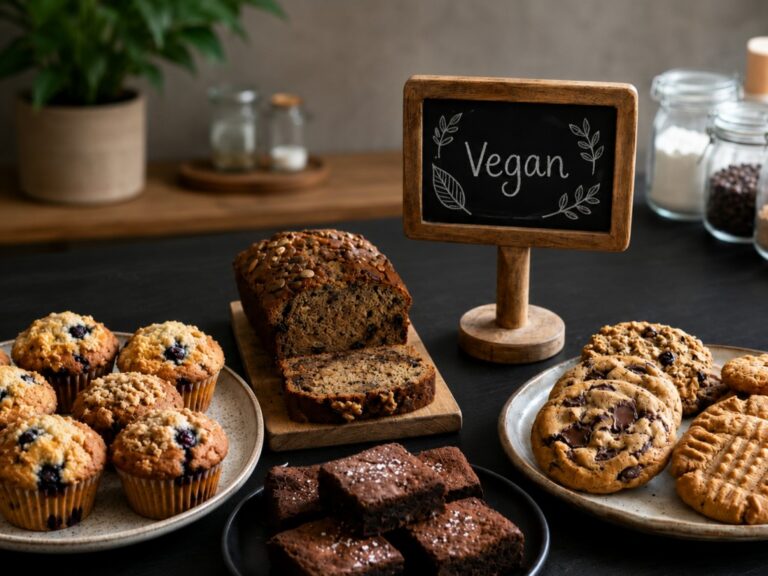
Another pressing challenge lies in the growing demand for gluten-free and plant-based products. These categories lack the structural properties provided by gluten and traditional dairy or egg-based ingredients, which complicates the gas retention necessary for proper leavening. Bakers are tasked with finding innovative solutions to replicate these functions while maintaining desirable textures and flavours. 

Hydrocolloids such as xanthan gum, guar gum, and psyllium husk have proven effective in gluten-free formulations, providing elasticity and moisture retention. Additionally, chickpea and faba bean proteins are emerging as functional egg replacers, offering both aeration and emulsification properties that contribute to better gas retention and overall texture. 

Sustainability is another growing concern in the baking industry. The production of some traditional leaveners, such as synthetic chemical compounds, can have significant environmental impacts. Reducing waste and energy consumption in the leavening process is an area of focus for many manufacturers. 

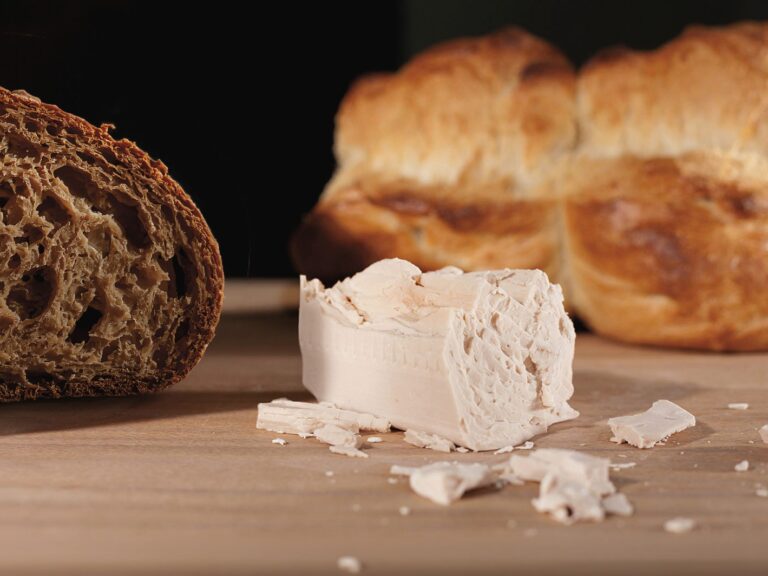
To mitigate these impacts, companies are turning to carbon-neutral fermentation processes for yeast production and exploring renewable raw materials for chemical leaveners. The development of enzyme-based leavening systems is another promising area, offering more efficient gas production with minimal environmental footprint. 

Read more latest industry news and developments in our free to download magazine.

Never miss a story… Follow us on:
LinkedIn: International Bakery
X: @int_bakery
YouTube: @Bakery-TV

Media contact

Joseph Clarke
Editor, International Bakery
Tel: +44 (0) 1622 823 920
Email: [email protected]

About International Bakery

International Bakery is the leading authority in global bakery content, delivering expert news, in-depth articles, exclusive interviews, and industry insights across print, digital, and event platforms. Published 10 times a year, the magazine is a trusted resource for professionals seeking updates and analysis on the latest developments in the bakery sector.

To submit an article, or for sponsorship opportunities, please contact our team below.

Joseph Clarke Picture

Joseph Clarke

Senior Editor

Steve Blakebrough Picture

Steve Blakebrough

Sales Manager

Afua Akoto Picture

Afua Akoto

Marketing Manager

Related News

GEA Pack Expo

Pack Expo Exhibitor – GEA Bakery

GEA Bakery offers engineering precision, driving Innovation and helping manufacturers achieve greater flexibility, consistency and efficiency across modern bakery production.
GEA From the Expert

Rethinking innovation in industrial baking

Fabio Del Prete, Senior Vice President at GEA Bakery outlines how technology, data and collaboration are helping bakery manufacturers balance efficiency, flexibility and product quality.
St Pierre 4 Mediterranean Herb

St. Pierre Targets Lunchtime

St Pierre, one of the UK’s leading premium bakery brands, is expanding into lunchtime occasions with the launch of Soft Pretzel Rolls and Mediterranean Herb Brioche Rolls.
FRITSCH 100

Fritsch – Celebrating 100 Years!

In the world of bakery technology, the name FRITSCH has been synonymous with German engineering and dough processing for 100 years.  
Lovingly Artisan

Lovingly Artisan re-launches baking club

Lovingly Artisan, the multi-award-winning bakery duo based in Manchester and Cumbria, is delighted to announce the re-launch of its much-loved virtual Baking Club, a free, welcoming home for bread lovers of every level, hosted on Facebook.
Food Centre Buhler

Where food ideas take shape

Bühler’s Consumer Foods Application Centers provide an environment where manufacturers can explore these relationships, produce samples and prepare for industrial production without interrupting their own manufacturing operations. 
RAPS Fi Europe

RAPS combines taste with functionality

RAPS will showcase its ingredient expertise, expanded extraction capabilities and savoury solutions at Food Ingredients Europe 2026 in Frankfurt from 17–19 November.
Chicory Root

Prebiotic fibres from chicory root 

BENEO highlights how its Orafti® β-Fit and chicory root fibre solutions can help manufacturers respond to growing demand for gut health, satiety, heart health, fibre enrichment and sugar reduction. 
autumn trends

British Bakels reveals winter flavours

Dan Jones, Marketing Manager at British Bakels, says: “Familiarity is a powerful driver in sweet bakery, but familiar doesn’t have to mean predictable. What we’re seeing for autumn and winter is established flavours being given new relevance through different pairings, formats and finishes.
Wonderbrands

Wonderbrands develops air-fryer bakery format

onderbrands has launched a fresh bakery product in Canada developed specifically for preparation in an air fryer, reflecting the growing influence of domestic cooking appliances on bakery product development.
Scroll to Top