

International Bakery Magazine explores the challenges cake manufacturers are facing to reformulate recipes and modernise production
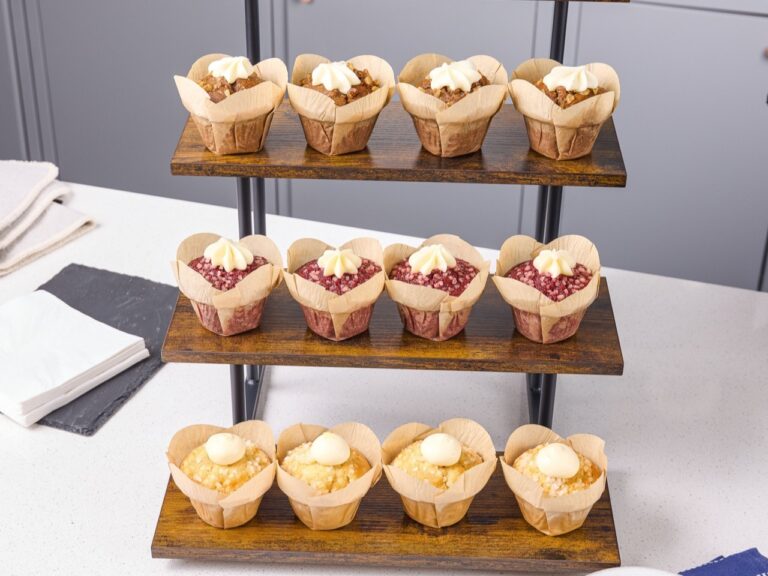
Long associated with indulgence and celebration, cakes are now at the centre of a much broader conversation about health, sustainability and efficiency. While consumers still expect the rich textures and flavours that define the category, an increasing demand is being seen for forms that are cleaner, lighter and often plant-based. At the same time, manufacturers are under pressure to reduce energy use, cut waste and maintain consistency across high-volume production.
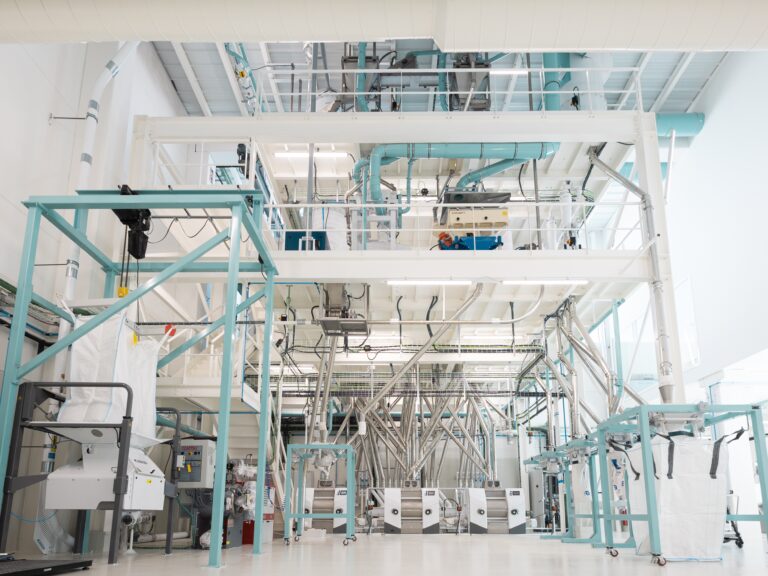
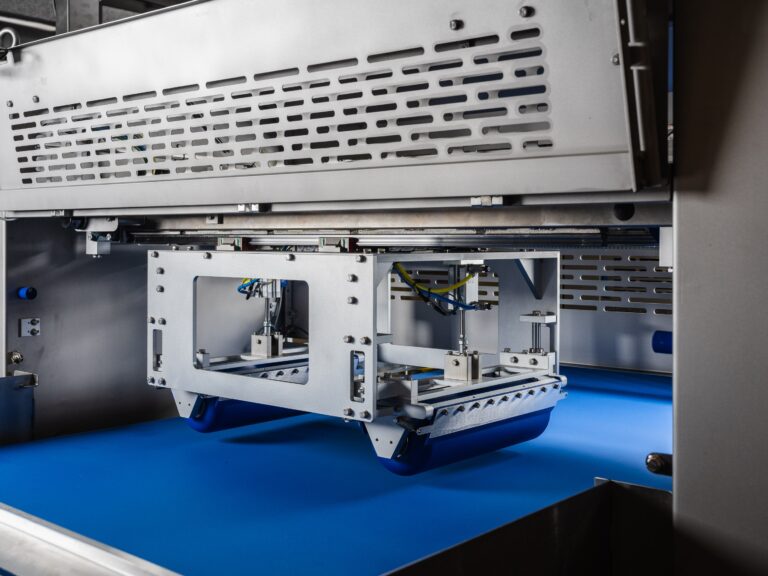
For producers, the main challenge lies in balancing these competing demands. Ingredients must deliver functionality while meeting reformulation goals, whether that means reducing sugar, eliminating palm oil, or replicating the structure of eggs and dairy without animal inputs. On the process side, technologies are evolving rapidly: mixing and depositing systems are achieving greater precision, ovens are becoming more energy efficient, and automation is reshaping workflows from batter handling to packaging. What once relied heavily on manual processes is now increasingly informed by data and controlled by sophisticated machinery that can monitor and adjust variables in real time.
The result is an industry in transition, as bakers must strive to find the right balance between the enduring appeal of cakes while rethinking how they are made. Therefore, the production floor is becoming a place where innovation meets tradition, and where the future of cakes is being defined not only by taste and appearance, but by the efficiency, sustainability and intelligence of the systems that bring them to life.
Ingredients for the Modern Cake
Fewer categories test the skill of industrial bakers quite like cakes. Unlike bread or biscuits, cakes rely heavily on delicate aeration, precise emulsification and a careful balance of sugar and fat. When these structures are disrupted, as happens when sugar or eggs are reduced or removed, the results can be disappointing for consumers. This is why ingredient innovation is now one of the most active frontiers in cake production, and why research teams across the world are experimenting with novel proteins, fibres and natural stabilisers.
The move towards clean label and plant-based cakes is reshaping formulations. Producers are under pressure to remove synthetic additives, palm fats and animal-derived inputs while maintaining the sensory qualities that make cakes indulgent. Plant proteins such as faba bean and pea, enzymatic solutions that stabilise aeration, and functional starches that replicate the viscosity of eggs are becoming vital tools. Ingredient suppliers are responding with tailored systems that allow large-scale bakers to reformulate without sacrificing consistency or throughput. Backaldrin International, for instance, has placed emphasis on functional mixes that simplify the process of producing plant-based bakery items, while Dawn Foods continues to refine its portfolio of mixes and bases to support clean label and reduced-sugar cakes.
At the same time, sugar and fat reduction remains a balancing act. Consumers demand healthier products, yet sugar and fat are central to the volume, mouthfeel and shelf life of cakes. Alternative sweeteners on their own are rarely sufficient, so ingredient systems now often combine fibres, bulking agents and flavour modulators to deliver sweetness while supporting texture. Fat systems are undergoing similar changes, with palm-free shortenings and structured triglycerides being designed to aerate batters effectively while reducing saturated fat content. In practice, this means producers must experiment with blends that deliver on both functionality and flavour – a process that requires careful calibration and repeated testing before recipes are viable at scale.
Another emerging direction is fortification and added functionality. Industrial cakes are increasingly positioned as permissible indulgences – products that offer not just enjoyment, but also added protein, fibre or micronutrients. This trend requires ingredient solutions that integrate seamlessly into cake batters without impairing volume or crumb structure. It is an area where suppliers are investing heavily in research, looking at how novel proteins, stabilisers and hydrocolloids can bridge the gap between indulgence and nutrition. This reflects a wider shift in bakery: cakes are no longer seen purely as occasional treats, but as products that can play a role in everyday consumption when aligned with health-conscious lifestyles.
Ultimately, ingredient innovation in cake production is about re-engineering the building blocks of indulgence. The challenge for producers is to maintain the emotional resonance of cakes – their softness, sweetness and visual appeal – while navigating the technical complexities of modern reformulation. This interplay between science, technology and consumer demand is setting the tone for the next generation of cakes at industrial scale.
Read more latest industry news and developments in our free to download magazine.
Never miss a story… Follow us on:
LinkedIn: International Bakery
X: @int_bakery
YouTube: @Bakery-TV
Media contact
Joseph Clarke
Editor, International Bakery
Tel: +44 (0) 1622 823 920
Email: [email protected]