
Over the past five years, the sector has reduced electricity and gas use thanks to major investments in advanced technologies, artificial intelligence, and waste reduction.
Italian yeast manufacturers are becoming increasingly sustainable: in just five years, they have lowered their energy consumption by 21%, driven by continuous improvements in technological efficiency and process optimisation, supported also by AI. The important result is highlighted by the Yeast Group of ASSITOL, the Italian Association that also represents the yeast sector.
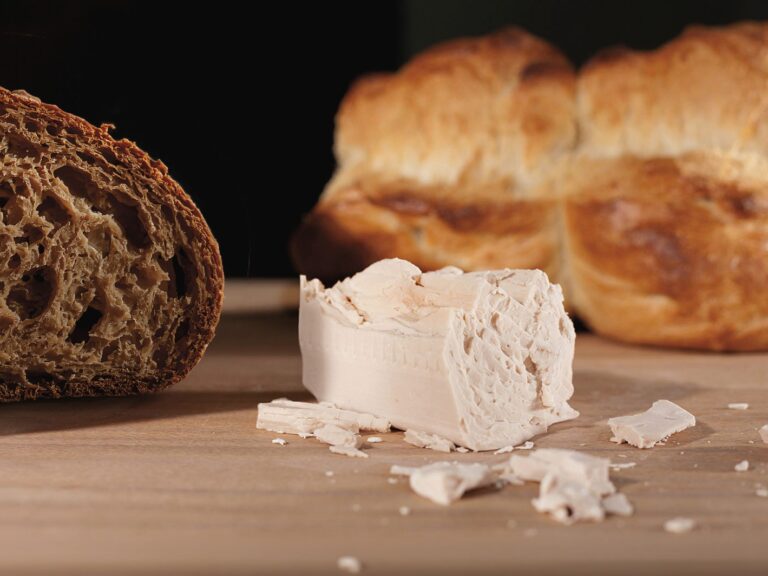
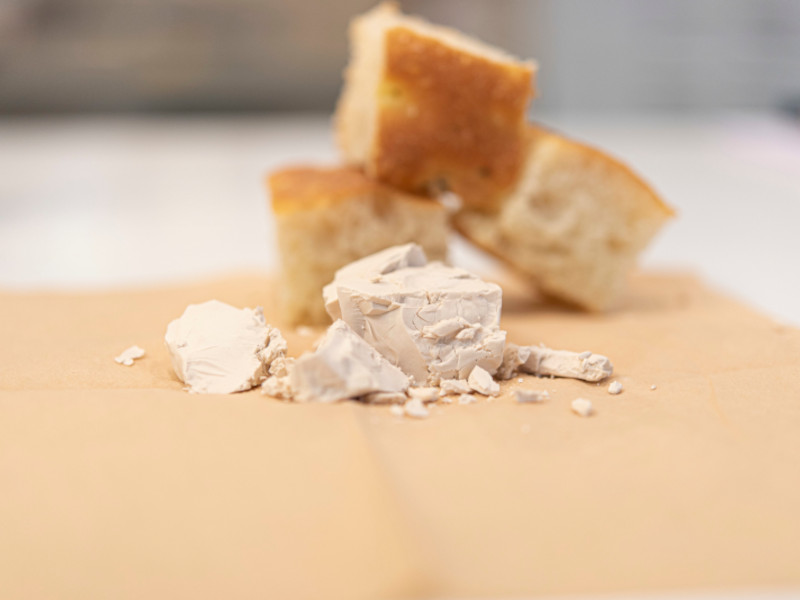
Baker’s yeast (Saccharomyces cerevisiae) is a living microorganism derived from an agricultural by-product – sugar molasses – through a fully natural process in which companies must create and maintain the ideal conditions for its reproduction in the presence of oxygen. “Producing yeast requires significant amounts of electricity and gas,” explains Daniele Meldolesi, President of the Group. “For this reason, our sector is considered energy-intensive. This is why we embarked on a sustainability path long ago, which includes reducing energy consumption.”
*Saccharomyces cerevisiae* is cultivated in fermenters where it grows by feeding on molasses. The process is continuously monitored and involves several stages that require substantial electricity, gas, and water. To address this, Italian plants have invested in cogeneration systems powered by natural gas, which simultaneously produce electricity and heat. The thermal energy generated during electricity production is reused within the facility, preventing waste and significantly reducing CO₂ emissions.
Optimisation
Process optimisation plays a central role in this strategy. Each production step is continuously improved through artificial intelligence and new technologies, further reducing energy needs.
All by-products from yeast cultivation are converted into secondary products. For example, molasses residues remaining after fermentation – once depleted of their sugar and vitamin content undergo a special treatment that allows them to be reused as fertilizers or animal feed. “This virtuous model is a perfect example of circular economy,” notes Meldolesi. “Nothing is discarded; everything is reused, giving a second life to the raw materials employed.”
Implementing a sustainability strategy and reducing energy consumption has required significant investments in production equipment. On average, 5–10% of annual turnover is allocated to upgrading production systems and adopting new technologies.
Thanks to waste reduction and optimisation across all production phases, between 2020 and 2025 the energy consumption of yeast manufacturers fell by 21%, slightly surpassing the European sector average of 20%. “We know we can do even better,” says the President of ASSITOL’s Yeast Group. “But we believe we are on the right path to combining productivity with circular economy principles.”
Italian industry produces around 50,000 tons of yeast each year for domestic use, with a similar amount destined for export. Fresh yeast is the most in-demand product, accounting for nearly 90% of the market and serving as the foundation for key baking and pastry recipes. It is also essential for producing iconic Italian products such as wine and beer.