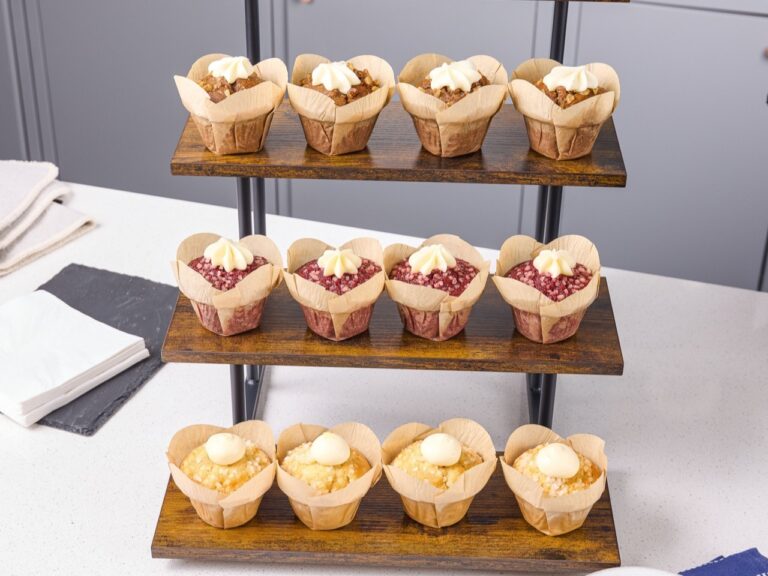
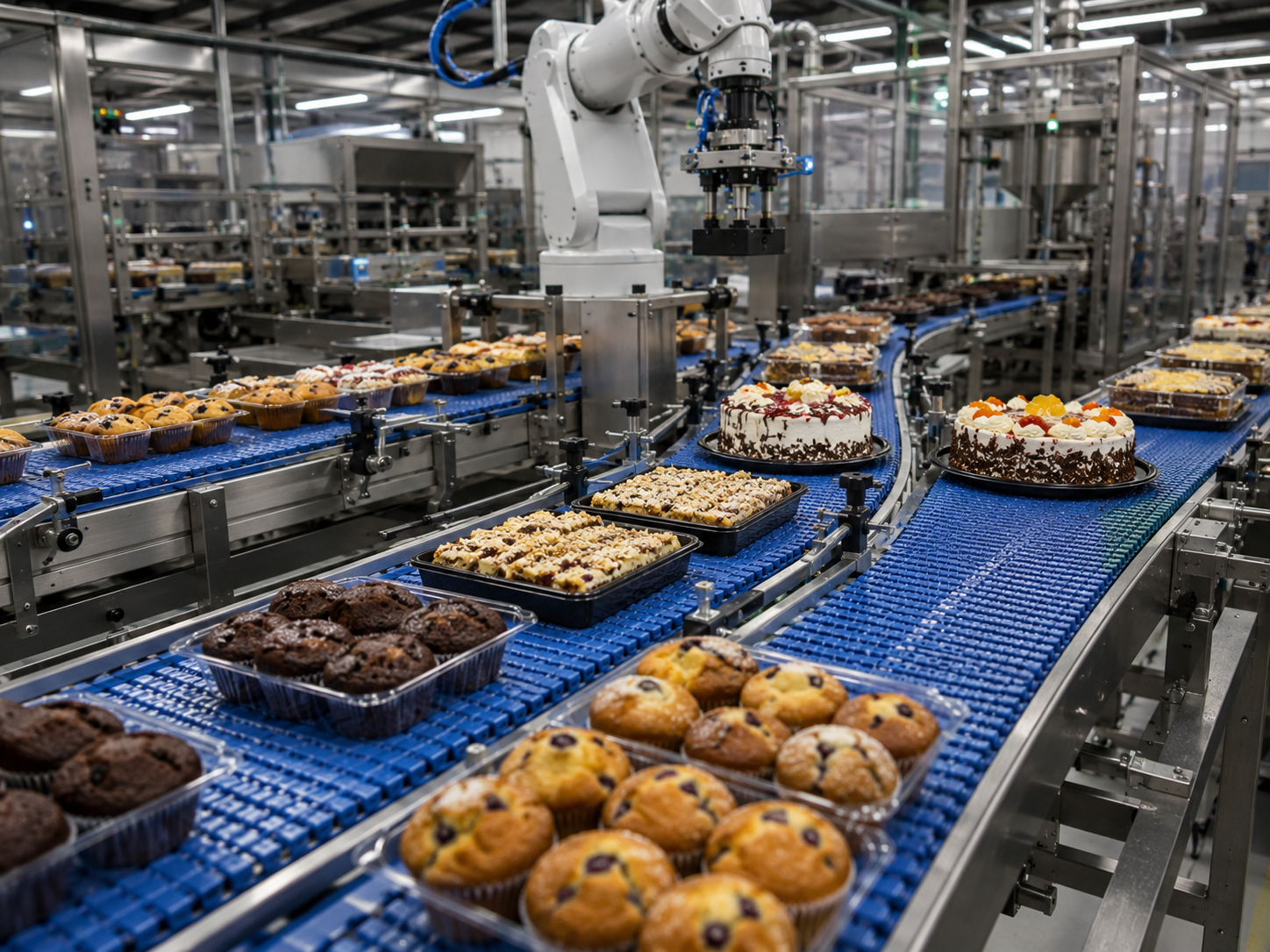

The global bakery sector continues to expand beyond traditional bread production into increasingly sophisticated sweet baked goods. Cakes, muffins, traybakes and celebration products are among the most technically demanding categories in industrial bakery manufacturing. Consumers expect consistent quality, freshness, decoration and visual appeal, while manufacturers must increase throughput, improve efficiency and manage growing numbers of stock keeping units.
Unlike bakery categories dominated by standardised products, cakes and celebration goods introduce complexity throughout production. Product weights vary considerably, batter rheology changes between recipes, and decoration processes require precise handling. Packaging can range from individually wrapped slices to premium celebration cakes requiring protective presentation formats.
Manufacturers must therefore do more than produce baked goods at scale. They need to maintain consistency across varied products while retaining the flexibility to respond to changing retail and consumer requirements.
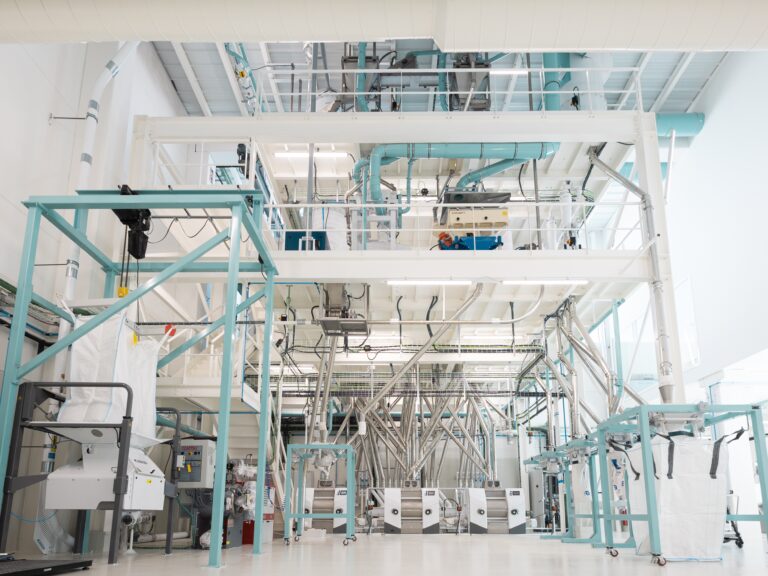
Consequently, bakeries are investing in the end-to-end engineering of cake, muffin, traybake and celebration cake lines. Advances in depositing, automated handling, conveyor design, robotics and integrated packaging are helping producers raise capacity without compromising product integrity. Process control now extends beyond mixing and baking: every stage, from batter deposition to case packing, influences operational efficiency and finished-product quality.
Managing complexity at the front end
Cake and muffin production begins with one of its most sensitive processes: depositing. Unlike bread dough, cake batter can have complex rheological characteristics. Aeration, fruit, chocolate chips, nuts, fillings and other inclusions all affect its flow behaviour. Manufacturers must maintain accurate portion weights while protecting the batter’s structure.
Even minor variations in deposit weight can create downstream problems. Uneven product heights may affect baking performance, cooling, slicing accuracy and packaging compatibility. This makes high-precision depositing and portioning technology essential for consistent industrial cake production.
Modern systems can process numerous batter types while maintaining repeatable weight control during long production runs. Suppliers such as Handtmann provide equipment capable of handling both fluid and highly viscous bakery applications. Accurate portioning of cake batters, muffins, layered products and traybake mixtures can improve consistency while reducing giveaway, rework and ingredient waste.
Flexibility is equally important for manufacturers producing multiple formats. Changeovers between muffin varieties, loaf cakes, traybakes and celebration products must be completed efficiently while maintaining hygiene and uptime.
The importance of product handling
Cakes and traybakes often leave ovens in a delicate condition and require controlled transfer through cooling, decorating and packaging. Although manual intervention traditionally helped prevent damage, labour shortages and increasing throughput requirements are accelerating automation.
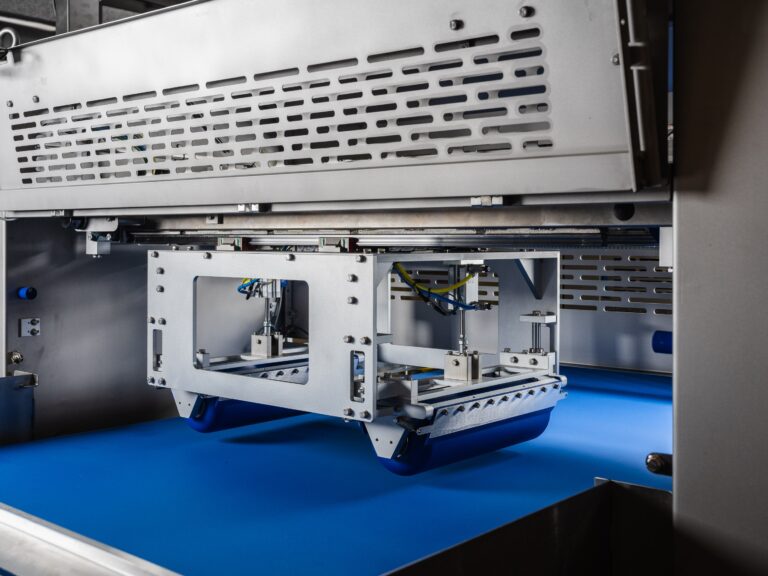
Modern handling systems reduce operator intervention while protecting product appearance and structure. Capway Systems, for example, develops technology for transporting fragile bakery products through multiple processing stages. Automated transfer equipment can accommodate different dimensions and packaging configurations while supporting line efficiency.
Effective handling also depends on equipment synchronisation. Bottlenecks during cooling, decorating or packaging can restrict output across the line. Manufacturers are therefore treating handling as a strategic part of production design, enabling greater productivity, consistency and product quality.