

Carlotta Trucillo, Secretary General of COFALEC, discusses the Confederation’s role in supporting yeast producers and strengthening collaboration across the bread supply chain
Could you outline the role of the COFALEC and its core mission within the yeast and wider baking ecosystem?
COFALEC represents the European yeast industry, bringing together yeast producers and national associations working in a sector that plays an important role in bakery, food manufacturing, and a range of bio-based industries. At its core, our mission revolves around two key objectives: on the one hand, we represent the interests of yeast producers at both European and international level, and on the other, we encourage technical and scientific collaboration between our members, with a strong focus on quality, safety, and sustainability.
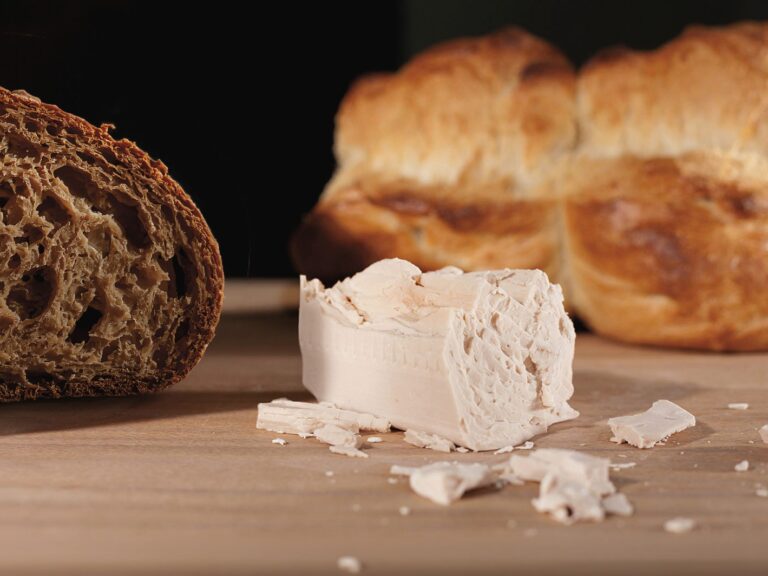
In the wider baking ecosystem, we also work to make sure yeast is recognised for what it is: a living ingredient that is essential to bread quality, fermentation performance, and innovation across the supply chain.
Alongside these efforts, we work to make the role of yeast clearer to everyone, from consumers to institutions, and highlight why it matters in our diet and in the food we enjoy every day.
How does the Confederation practically support yeast producers today – both in terms of technical collaboration and representing their interests at a European and global level?
COFALEC supports yeast producers through two closely connected areas of action.
On the technical side, we bring together experts from member companies through dedicated working groups focusing on microbiology, food safety, production processes, sustainability, and broader environmental topics. These groups foster open dialogue and shared expertise, leading to the development of sector guidelines and position papers, as well as collaborations with external professors and research centres to explore common challenges in greater depth. At the same time, COFALEC closely follows scientific and technological developments and regulatory trends, encouraging ongoing exchange among members and across the bread supply chain.
Alongside this technical work, COFALEC represents the sector’s interests at European and global level. We maintain an ongoing dialogue with the European Commission, the European Parliament, and relevant agencies on key dossiers such as food safety and trade. We are also involved in international standard-setting processes, including Codex and ISO, and work to build alliances with related sectors, such as bakery, milling, and sugar, to strengthen the collective voice of the wider food chain.
Yeast producers often sit behind the scenes of bakery production. How does the Confederation help strengthen the link between yeast manufacturers and bakers, ensuring innovation and knowledge flow across the supply chain?
It’s true that yeast often works behind the scenes, yet it is absolutely central to bread production and to the quality of the final product. As we often say, there is “no bread without yeast” and, of course, no yeast without bread. This is why strengthening collaboration across the entire bread supply chain is so important, not only to support innovation, but also to promote a clear and transparent understanding of bread.
COFALEC helps reinforce the link between yeast producers and bakers primarily through its involvement in the Bread Initiative. This collaborative Initiative brings together key actors from the European bread value chain, including millers, bakers, yeast producers and ingredient suppliers, with the aim of encouraging dialogue and building a shared vision for the future of bread in Europe. Through joint communication and coordinated engagement with EU institutions, the Initiative highlights the cultural and nutritional value of bread, addresses common challenges such as supply-chain resilience, and ensures the sector speaks with a united voice.
In recent years, the baking industry has faced significant pressures, from energy costs to supply chain disruption. What have been the most pressing challenges for yeast producers, and how has the Confederation helped members navigate them?
In recent years, yeast producers have faced growing pressure, reflecting both the energy-intensive nature of fermentation processes and the sector’s reliance on global sugar and molasses markets. Exceptionally high energy costs have had a direct impact on production, while volatility in raw material markets, particularly for sugar and molasses, has added further uncertainty. At the same time, logistical disruptions and rising transport costs have complicated supply chains, and producers have had to adapt quickly to rapidly evolving regulatory requirements, especially in the areas of sustainability and food safety under the EU Green Deal.
In this context, COFALEC has supported its members by ensuring constant and timely access to regulatory information and by engaging in data-driven advocacy. This work has been essential in ensuring that yeast is recognised as an essential ingredient within crisis response measures, helping producers better navigate a challenging and fast-changing environment.