
Grupo Bimbo has expanded the amount of farmland covered by its regenerative agriculture programme to more than 500,000 hectares, representing a 73% increase compared with the more than 290,000 hectares reported in 2024.
The bakery group announced the figures on 9 September 2026 as it provided an update on efforts to strengthen the resilience of its agricultural supply chain. Grupo Bimbo has set a longer-term objective for 100% of its key ingredients to come from land cultivated using regenerative practices by 2050.
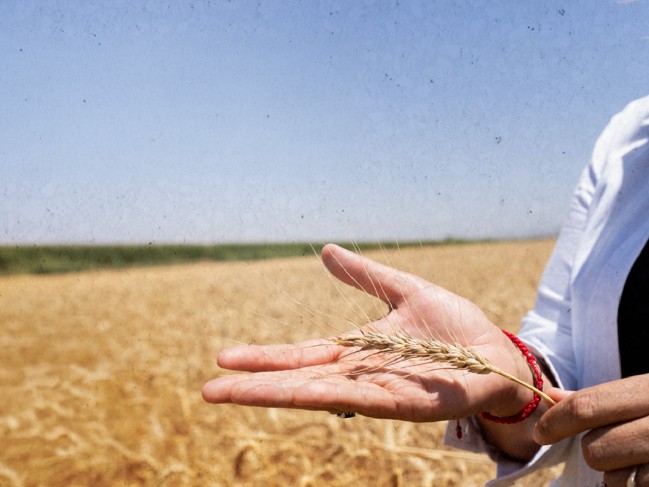
For bakery manufacturers, the programme is particularly relevant to the sourcing of wheat and other agricultural raw materials, where crop variability, soil condition and changing weather patterns can have direct implications for availability and quality.
Programme expands across regions
Grupo Bimbo’s regenerative agriculture strategy focuses on improving soil health, supporting biodiversity and helping farming communities adopt agricultural practices intended to make production more resilient.
More than 570 farmers have been trained through the programme and initiatives operated with the company’s partners. Grupo Bimbo is working with organisations including the International Maize and Wheat Improvement Center, as well as milling partners, to adapt practices to conditions in individual markets.
Examples include farms using reduced or no-till cultivation, crop rotations, cover crops and weather-monitoring technology. Grupo Bimbo said these approaches are intended to limit erosion and nutrient losses while supporting soil biodiversity.
The programme also expanded geographically during 2025. In Brazil, an earlier pilot moved into formal implementation with a strategic supplier and local farmers. In the UK, Grupo Bimbo established its first regenerative agriculture programme in Europe with specialist partners.
Ingredient resilience gains focus
The expansion illustrates how major bakery businesses are increasingly looking beyond factory operations when addressing supply-chain resilience and environmental targets.
For industrial bakers, flour millers and ingredient procurement teams, agricultural conditions can influence characteristics including crop yields and raw-material consistency. Longer-term work on soil health therefore has potential relevance to both ingredient security and the stability of bakery production.
Grupo Bimbo plans to continue strengthening its regenerative agriculture practices through 2030 before progressing towards its 2050 sourcing objective.
The company’s latest figures also demonstrate the scale required when regenerative agriculture programmes move beyond individual trials. Coordinating farmers, milling businesses, researchers and bakery manufacturers across different growing regions will be an important part of translating agricultural targets into dependable ingredient supply.