
Aaliyah Jahangeer, Content and Marketing Executive at FMCG Gurus, explores how transparency, ingredient quality and ultra-processing concerns are reshaping consumer trust in bakery…
Consumers are no longer taking health claims at face value. Instead, they’re paying closer attention to ingredient quality, processing methods, and whether brands are being upfront about what is actually in their products. FMCG Gurus’ research shows that 34% of consumers believe food and beverage products contain fewer healthy ingredients than they did a decade ago, reflecting broader concerns about product quality and brand credibility. That skepticism is also shaping how consumers view brand communication, with just 35% saying brands are honest about the ingredients they use. As trust becomes harder to earn, brands that lead with clear, transparent ingredient communication will be better positioned to build lasting confidence and strengthen their credibility.
Confusion around ultra-processing is making reassurance more valuable than claims
The conversation around ultra-processed foods has made consumers more curious about what goes into the products they buy, but awareness doesn’t always translate into understanding. FMCG Gurus’ research shows that 48% of consumers say they know what ultra-processed foods are, while 66% are concerned about hidden ingredients disguised through complex labeling. This creates a trust gap where consumers are questioning not just ingredients themselves, but why they’re included and how products are made. Brands that explain ingredient functions and manufacturing processes in clear, accessible language will be better positioned to reduce confusion and build confidence at the point of purchase.
Bakery’s health advantage shouldn’t be taken for granted
Bakery has avoided being one of the categories most closely linked to ultra-processing, but that advantage may not last as consumer scrutiny evolves. FMCG Gurus’ research shows that only 17% of consumers associate bread with ultra-processed foods, compared to 30% for cakes and pastries, revealing that perceptions already vary across the category. This suggests that consumers are making distinctions based on product type rather than judging bakery as a whole. Brands that reinforce ingredient quality and clearly explain how products are made will be better positioned to protect trust before concerns around ultra-processing become more firmly established.
Consumers want simpler ingredients, not unrealistic expectations
Naturalness and ingredient quality remain important considerations for consumers when choosing bakery products. FMCG Gurus’ research shows that 53% of consumers believe a grocery product can be 100% natural, while 72% find natural claims appealing when purchasing bread. This highlights the importance consumers place on products that feel authentic and contain recognizable ingredients. For bakery brands, the opportunity lies in balancing innovation with familiar ingredients and straightforward communication. This can help reassure consumers about the role ingredients play within products without adding unnecessary complexity.
Trust is built before consumers read the nutrition label
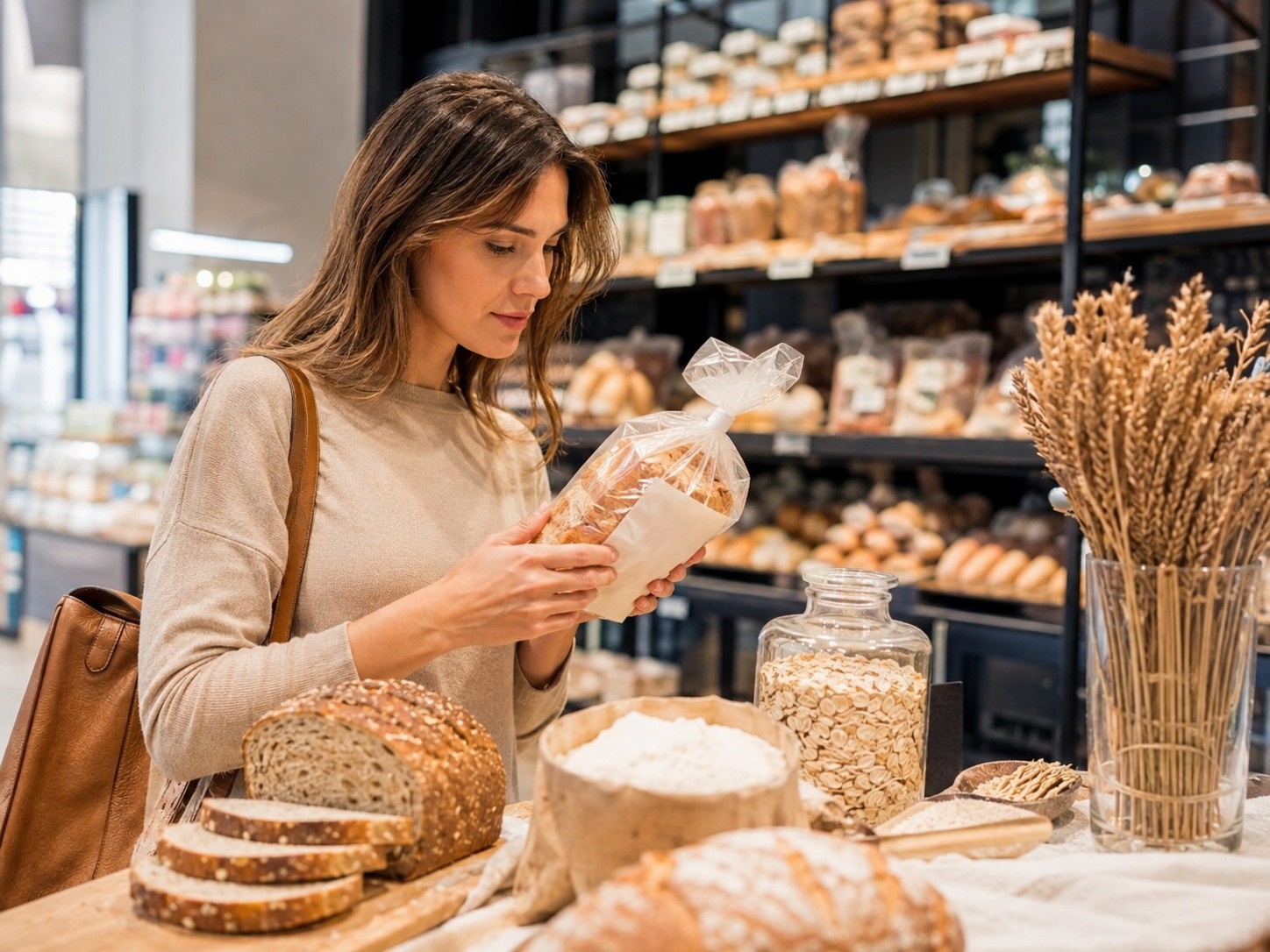
When consumers pick up a bakery product, they’re often making a judgment about its health credentials before they look at the nutrition panel. Visual cues, familiar ingredients, and signs of authenticity can all shape first impressions, with FMCG Gurus’ research showing that 64% of consumers are influenced by the use of “real” ingredients, while 58% value transparency around product and ingredient origin. This suggests that trust begins with what consumers can immediately recognize, not just what brands claim. Packaging that reinforces authenticity, ingredient familiarity, and traceability can help brands establish credibility before nutritional information comes into consideration.