

Addressing technical challenges in high-fibre bread formulations is key to maintaining dough strength and quality
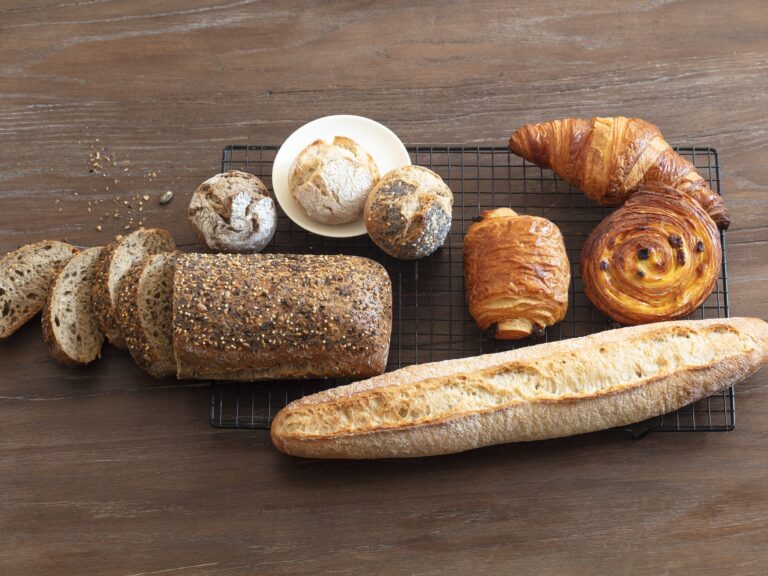
High-fibre and whole-grain breads are growing in global bakery markets, driven by demand for digestive health, nutrient density, and clean-label formulations. However, fibre enrichment poses processing challenges, especially when conventional dough conditioners, such as emulsifiers, are reduced or removed.
Fibre-rich materials such as wheat bran and wholemeal flour disrupt the development of the gluten network. Insoluble particles interfere with gluten alignment, while soluble fibres compete for water, raising dough viscosity and reducing hydration. The result is reduced extensibility, weaker gas-cell stabilisation, lower loaf volume, and uneven crumb — effects amplified under high-speed mixing and extended fermentation.
Historically, emulsifiers such as DATEM, SSL, and lecithin have traditionally strengthened gluten, stabilised gas cells, and extended shelf life. Clean-label trends and evolving regulations are pushing bakeries to reduce the use of these additives, particularly in premium lines. To compensate for lost dough strength, bakers often add vital gluten, raising production costs.
In this context, enzyme technology offers a clean-label alternative, catalysing targeted modifications of native flour constituents rather than directly adding structure. In high-fibre systems, enzymes acting on polysaccharides, proteins, lipids, and starch can improve dough handling, gas retention, and crumb setting.
Optimising enzyme performance
Enzyme performance is frequently optimised through synergistic combinations of newer enzyme preparations with classical enzymes that exhibit useful side activities, which is especially important in fibre-rich systems where substrate availability varies by cereal type and milling degree. These classical enzymes help unroll and develop the gluten network more effectively, thereby releasing more lipids from the gluten, which improves lipase functionality and optimises the cross-linking and strengthening of the gluten by the oxidases.
Encapsulation further refines enzyme performance by controlling the timing of release. For example, a xylanase–cellulase system encapsulated with rapeseed and sunflower oils can be timed to activate at the end of mixing and during final proofing, increasing free water availability and improving crumb strength.
Additionally, combining lipases with complementary specificities can improve the utilisation of lipid substrates present in flour systems. Oxidative enzymes, when appropriately dosed and balanced, can enhance gluten cross-linking and increase dough strength while maintaining sufficient extensibility for gas expansion. Sivakumar Pattathil, Lallemand’s Baking Application and R&D Director, also notes that “Lipases also promote crumb softening by generating amylose–lipid complexes that reduce initial firmness and by forming free fatty acids and lysolipids that limit amylopectin retrogradation, thereby slowing staling”.
Within this framework, Lallemand’s Bake True solution applies these enzyme principles to high-fibre and whole-grain bread processes. The formulation combines classical and advanced enzyme technologies intended to support gluten structure, manage water availability, and optimise the functionality of native flour lipids. The objective is to enable reduction and, in some applications, replacement of emulsifiers while maintaining loaf volume, crumb integrity, and eating quality. For the most effective outcomes, our application team will work closely with you, fostering a collaborative partnership that enables the development of customised, tailor-made solutions to address your high-fibre-specific formulation and processing challenges.