

Ashkan Ashouriha, Senior Global Enterprise Solution Architect at Rockwell Automation discusses digital twins, integration and the future of automation…
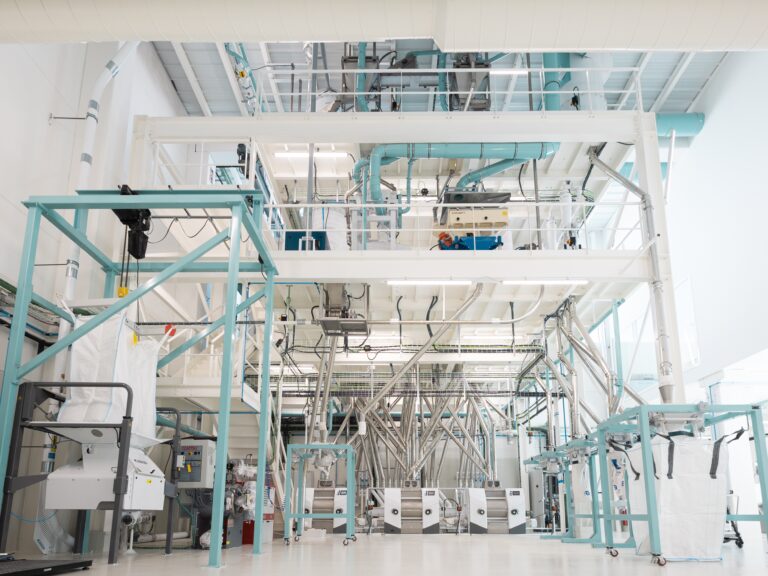
As bakery and snack manufacturers continue to push for higher throughput, greater flexibility and improved sustainability, automation technologies are evolving far beyond traditional machine control. Digital twins, virtual commissioning, hybrid simulation and unified data integration are rapidly becoming central tools for optimising modern production environments – particularly in high-volume sectors such as cookie and biscuit manufacturing.
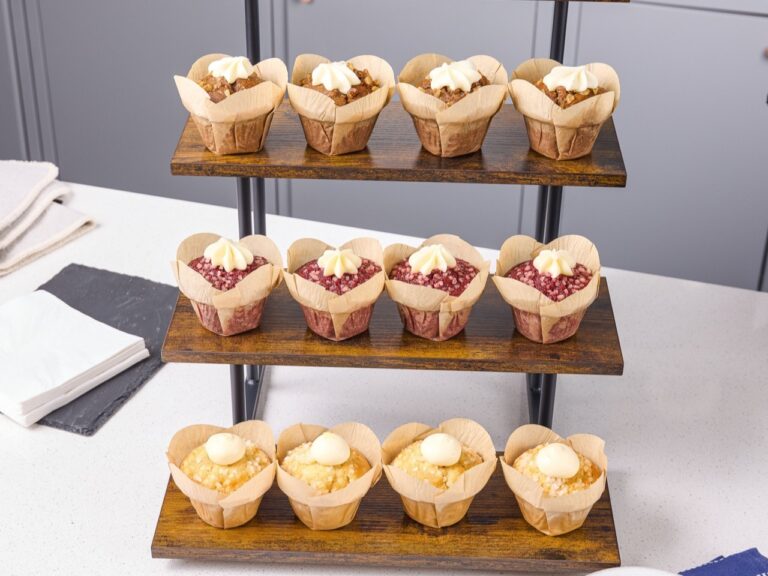
At interpack, Rockwell Automation demonstrated how these technologies can be applied across an entire cookie production and packaging line through a fully integrated digital factory concept developed alongside multiple OEM partners. The showcase highlighted how manufacturers can reduce commissioning times, improve line integration, enhance energy efficiency and prepare for increasingly autonomous production environments.
In this Innovator interview, Ashkan Ashouriha, Senior Global Enterprise Solution Architect at Rockwell Automation discusses the growing convergence of processing and packaging, the role of digital twins in bakery manufacturing, and how the next generation of automation technologies could reshape cookie production over the coming decade.
Could you introduce yourself and explain your role within the company?
I have been with Rockwell Automation for 15 years and currently serve as Senior Global Enterprise Solution Architect. My role is centred around connecting the dots between our product portfolio, research and development teams, sales, and customers. I work across multiple stakeholders to develop the concepts and narratives behind the technologies we showcase, collaborating closely with OEM partners to bring these solutions to life.
What is Rockwell Automation showcasing for bakery and snack producers?
At interpack, we wanted to demonstrate both processing and packaging capabilities, because packaging only tells part of the story. Before a product is packaged, it first has to be produced. That is why we created a complete digital factory line featuring a cookie production process.
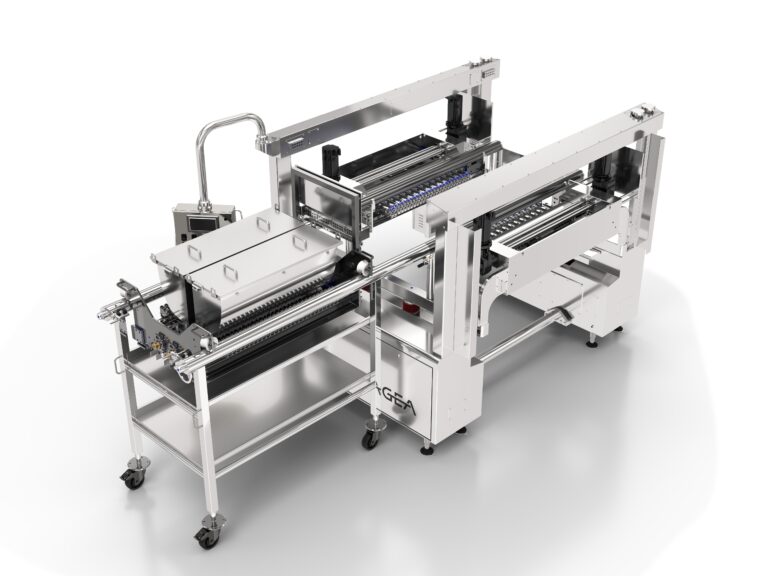
The line itself is not built around physical machines, but digital twins. We collaborated with five OEMs to create the demonstration. In many cases, these companies are competitors, so bringing them together around a single integrated concept was a challenge in itself.
The key message for end users is how modern technologies such as digital twins can simplify integration and collaboration between different OEMs. This is no longer just a buzzword; it is becoming the standard for modern manufacturing.
One of the challenges you mentioned was collaboration between competing OEMs. How did you overcome that?
The approach was deliberately different from the traditional model. Normally, an OEM might only showcase its own standalone solution. Instead, we wanted to demonstrate how multiple OEMs could work together within one unified digital environment.
Although many of the participating companies are capable of supplying complete turnkey lines themselves, we focused on showing how easy it is to integrate machines and create a digital twin of an entire production line. This provides much greater value for both OEMs and end users.
Initially, this approach was quite revolutionary for some of the companies involved, but once they understood the benefits of demonstrating interoperability and integration, the collaboration came together successfully.
Are you seeing greater demand for closer integration between processing and packaging?
Absolutely. There is a clear move towards end-to-end integration across processing and packaging operations.
Two of the OEMs became highly engaged with the project after recognising the value of showcasing a fully integrated process and packaging solution. In processing environments, there are already established standards and frameworks for data management and integration. Packaging environments, however, often lack the same level of standardisation.
This creates challenges for manufacturers trying to unify data across entire production lines. What we are demonstrating is how standardised technologies and unified namespace architectures can harmonise data structures and simplify integration across the factory floor. That is becoming increasingly important for manufacturers moving forward.