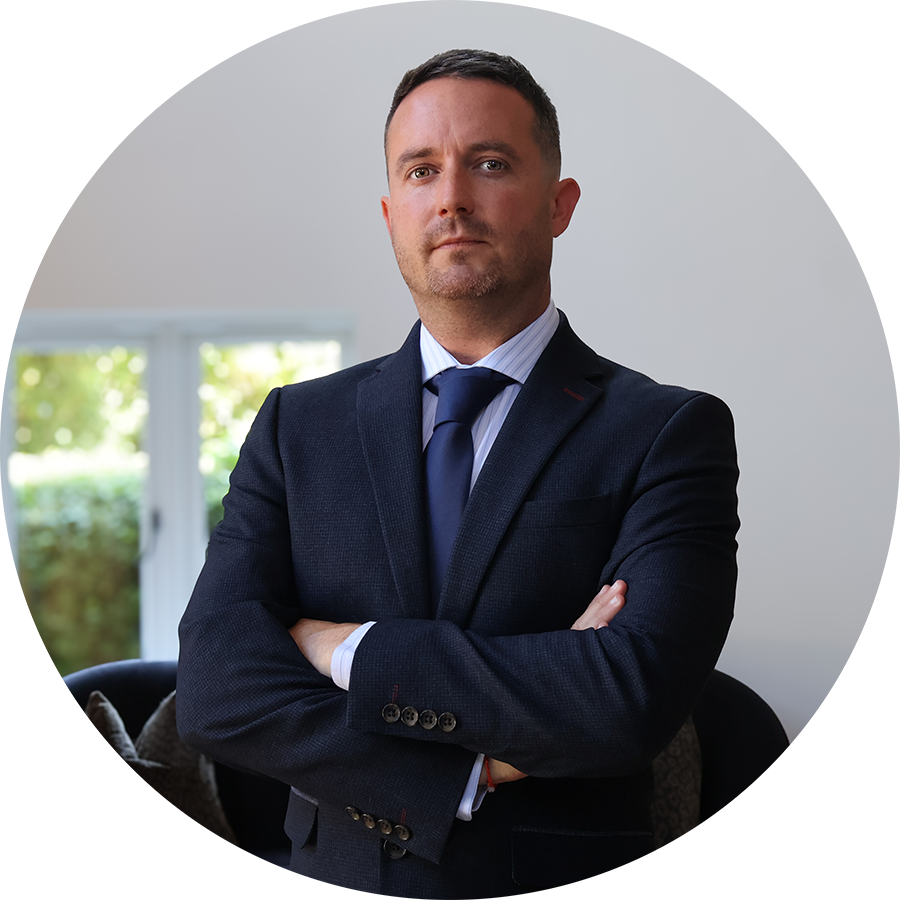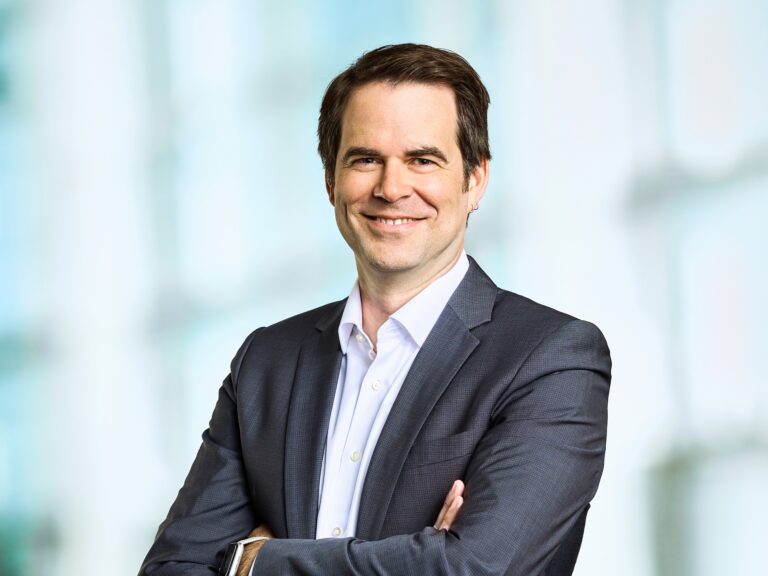
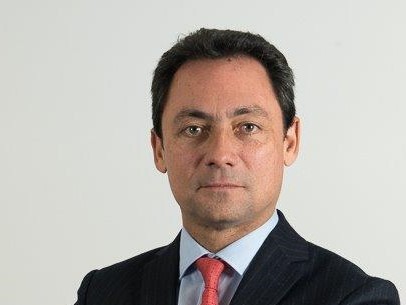

As Europe’s bakery sector navigates mounting regulatory pressure, high energy costs, sustainability demands and the need to remain globally competitive, having a strong and unified voice in Brussels has never been more important. Stepping into that challenge is Enric Valls, President of Fedima, who brings decades of industry experience and a long-standing involvement with the Association to the role.
Having begun his career with Puratos in 1988, Valls has spent more than three decades working within the bakery ingredients sector and more than 15 years contributing to Fedima’s strategic direction. His appointment also represents a continuation of work that began with Horizon 2030, the long-term strategy he helped shape in 2014.
In this interview, Valls discusses his priorities for the presidency, the importance of greater collaboration across the bakery value chain and the need for coherent, science-based European regulation. He also outlines his ambition for Fedima to become an increasingly influential voice for an industry that plays a vital economic, nutritional and cultural role across Europe.
Congratulations on your appointment as President of Fedima. What does this new role mean to you personally and professionally, and what are your immediate priorities for the Association over the next three years?
Thank you. I have spent my whole career in this sector. I was born in Barcelona, I joined Puratos in 1988, and that same year Elena and I married and moved together to Belgium. My professional life and my family life began in the same chapter, and that is how I see this work: not separate from who I am.
I joined the Fedima board more than fifteen years ago through Syfab, and in 2014 I led the strategic exercise we called Horizon 2030, which has been our north star since. Taking the Presidency now is continuity with something I helped build, and a responsibility to make that strategy meet the very different Europe we face today.
My priorities for the next three years are clear. Reinforce Fedima as a united and credible voice at European level. Deliver real progress on the files that matter most to our members, rather than spreading ourselves thinly. And make sure whatever we achieve in Brussels is felt by the people who actually make our products, from the largest manufacturer to the smallest national association.
You have emphasised the need for the sector to speak with one voice at European level. Why is this unity particularly important now, and how do you plan to strengthen collaboration across the value chain?
Because at a time when Europe is redefining its priorities, a fragmented sector is not heard. Bread and patisserie are among the most atomised sectors in the food industry: thousands of producers, not a handful of large players. That diversity is our cultural strength, but a weakness in Brussels if we each speak alone.
EU institutions tend to engage FoodDrinkEurope as the default voice of the food industry. But many sector-specific questions, the ones that decide whether a baker or an ingredients producer can operate, need a distinct and credible interlocutor. That is the space Fedima and our partners must occupy.
Strengthening collaboration means bringing the whole value chain together, from millers and yeast producers to bakers and patisserie makers, around a small number of shared positions. Co-signing under one recognised banner rather than sending separate messages, and working with FoodDrinkEurope and the Bread Initiative so that we speak as one chain, not competing links.
You highlight the importance of the Fedima Manifesto and the Bread Initiative. How will these initiatives help elevate the role of bakery products within EU policymaking and wider public discussions?
The Manifesto sets out what we stand for, and the Bread Initiative is the vehicle that lets the whole value chain carry that message together. So far the Initiative has done valuable work in intelligence sharing and in building a political roadmap. The next step is to move from monitoring to active advocacy.
Elevating bakery products means insisting on a simple truth that is too often overlooked: bread and bakery are not only economic assets, they are part of Europe’s nutrition, culture and social fabric, and must be recognised as such in EU decisions. The Manifesto and the Initiative give us one coherent platform to make that case.
The bakery sector faces challenges around regulation, sustainability, energy costs and competitiveness. Which do you see as the most pressing, and how can Fedima best support its members?
These issues are connected. Energy costs and competitiveness are two sides of the same coin, and poorly designed regulation makes both worse. Where Fedima adds the most value is in the regulatory and technical files where our expertise is decisive: enzyme labelling, food additives, contaminants, the practical workability of new rules.
We support members by turning complexity into something usable. Our Technical Committee follows these files closely; our job is to translate them into clear guidance, flag what is coming, and make the sector’s case before rules are fixed, not after. A small producer cannot follow every Brussels file. Fedima can, and shares that intelligence so no member is caught unprepared.