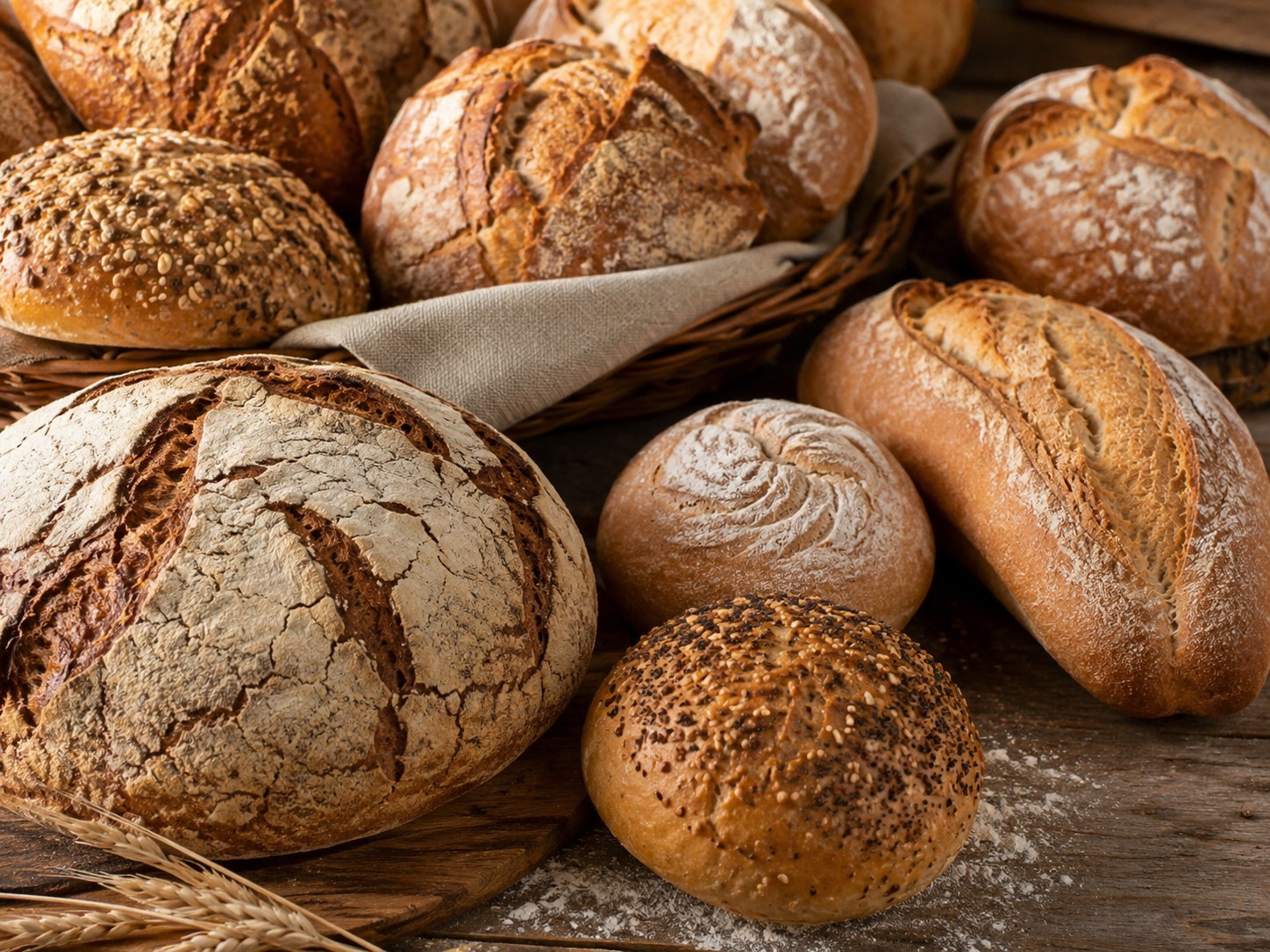

Senior Editor Joseph Clarke explores how artisan-style breads, flatbreads, par-baked products and sandwich formats are reshaping modern bakery
Bread has always been one of bakery’s most adaptable categories, but its role in the modern market is becoming broader, more varied and more technically demanding. Once defined largely by the daily loaf, the bread sector now spans rustic artisan-style products, sandwich carriers, globally inspired flatbreads, frozen bake-off ranges and par-baked solutions that allow operators to finish products close to the point of sale.
This evolution reflects wider changes in how consumers eat. Bread is no longer confined to breakfast toast or the packed lunch. It is a carrier for street food, a premium component in café menus, a vehicle for plant-based fillings, a centrepiece in casual dining and a convenient base for food-to-go. At the same time, it must meet the expectations of retailers, foodservice operators and industrial bakeries that require consistency, efficiency and reliability at scale.
For manufacturers and suppliers, this creates a complex challenge. The market wants bread that looks and tastes more crafted, yet it must be produced in systems capable of delivering volume, safety, repeatability and cost control. This is particularly visible across artisan-style breads, flatbreads, par-baked products and sandwich formats, which are increasingly connected by the same market pressures: convenience, freshness, flexibility, labour efficiency and higher perceived quality.
How can bakeries create artisan-style bread at industrial scale?
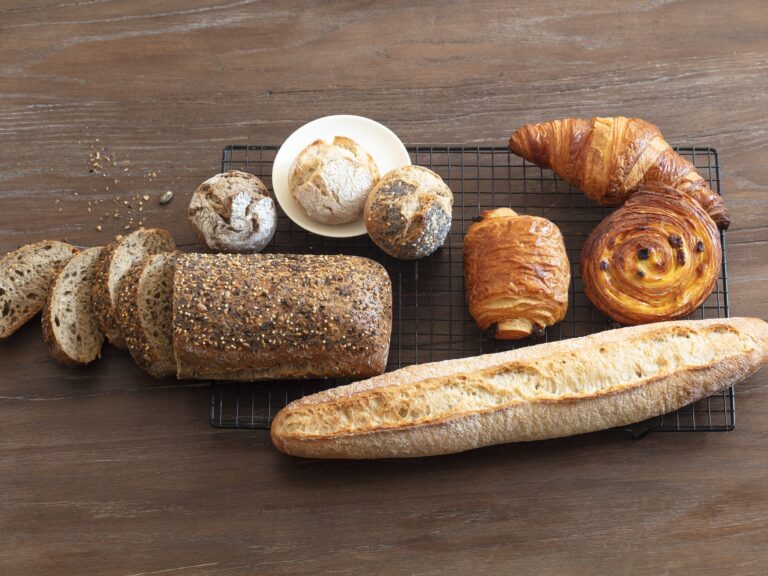
Artisan bread has become one of the most influential ideas in the bread market. For many consumers, the term suggests longer fermentation, open texture, deeper flavour, rustic crusts, irregular shaping and a sense of traditional craft. Even where products are made on industrial lines, these visual and sensory cues remain important.
However, scaling artisan-style bread is not straightforward. Products that look rustic must still be portion-controlled. Doughs with higher hydration levels or longer fermentation profiles can be harder to handle. Open structures and delicate crumb characteristics must be preserved through processing, freezing, transport and final baking. In this sense, the category sits at the intersection of craft aspiration and industrial discipline.
Companies such as Bridor, Délifrance and Europastry are often associated with frozen and bake-off bakery ranges where artisan-style cues are important, while larger bakery groups such as Aryzta also operate across formats that need to balance volume with variety. Their relevance lies less in any single product and more in the wider direction of the market: bread that offers a crafted impression while remaining suitable for broad distribution and professional use.
For bakeries, the opportunity is clear. Artisan-style bread can help elevate everyday eating occasions, whether through a seeded roll, a rustic baguette, a sourdough-style loaf or a premium sandwich carrier. The challenge is to ensure that visual appeal is matched by operational practicality.
Why are par-baked and bake-off bread formats growing?
Par-baked and frozen bread formats have become central to the way many bakery products reach consumers. They allow bread to be produced in a controlled manufacturing environment, distributed with extended usability and finished close to the point of consumption. For retailers, cafés, hotels, restaurants and convenience operators, this model offers the appeal of fresh-baked bread without full scratch production on-site.
The benefits are both commercial and practical. Operators can bake according to demand, reducing waste and improving stock control. Smaller outlets can offer a broader range than would otherwise be possible. Multi-site businesses can achieve consistency across locations. The final baking stage also adds sensory value, with aroma, crust development and visual freshness helping to reinforce quality.
Par-baked formats are particularly relevant where labour availability is limited. Many foodservice operators do not have skilled bakers on-site, and in-store bakeries may need products that can be finished by general retail staff. This places pressure on manufacturers to design bread that is forgiving, consistent and simple to handle, while still delivering the flavour, texture and appearance expected by consumers. The model is especially important for baguettes, rolls, ciabatta-style breads, focaccia-style carriers, sandwich breads and premium buns. It also suits hospitality and catering environments where demand can fluctuate sharply.