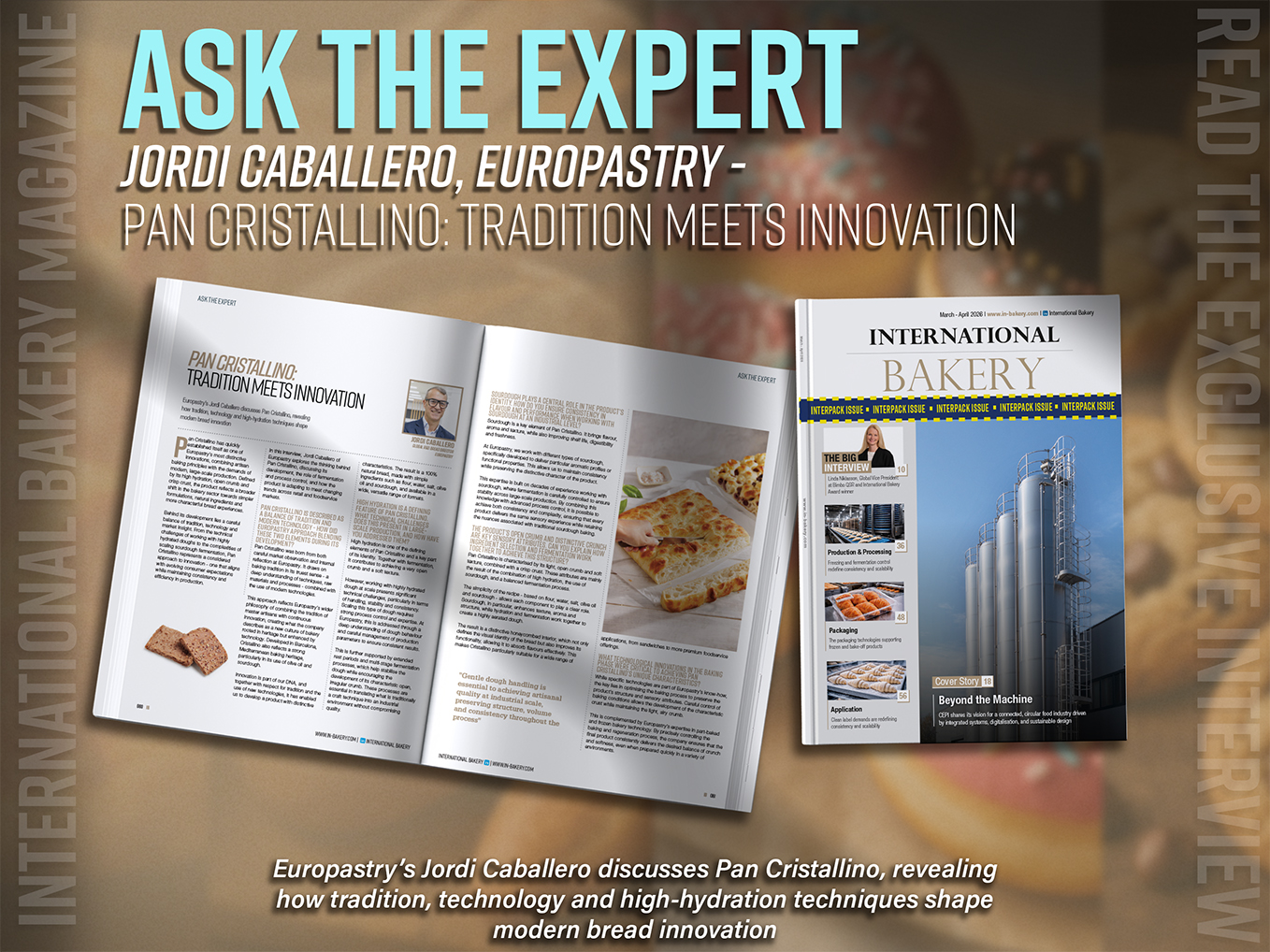

Europastry’s Jordi Caballero discusses Pan Cristallino, revealing how tradition, technology and high-hydration techniques shape modern bread innovation
Pan Cristallino is described as a balance of tradition and modern technology – how did Europastry approach blending these two elements during its development?
Pan Cristallino was born from both careful market observation and internal reflection at Europastry. It draws on baking tradition in its truest sense – a deep understanding of techniques, raw materials and processes – combined with the use of modern technologies.
This approach reflects Europastry’s wider philosophy of combining the tradition of master artisans with continuous innovation, creating what the company describes as a new culture of bakery rooted in heritage but enhanced by technology. Developed in Barcelona, Cristallino also reflects a strong Mediterranean baking heritage, particularly in its use of olive oil and sourdough.
Innovation is part of our DNA, and together with respect for tradition and the use of new technologies, it has enabled us to develop a product with distinctive characteristics. The result is a 100% natural bread, made with simple ingredients such as flour, water, salt, olive oil and sourdough, and available in a wide, versatile range of formats.
High hydration is a defining feature of Pan Cristallino. What technical challenges does this present in large-scale production, and how have you addressed them?
High hydration is one of the defining elements of Pan Cristallino and a key part of its identity. Together with fermentation, it contributes to achieving a very open crumb and a soft texture.
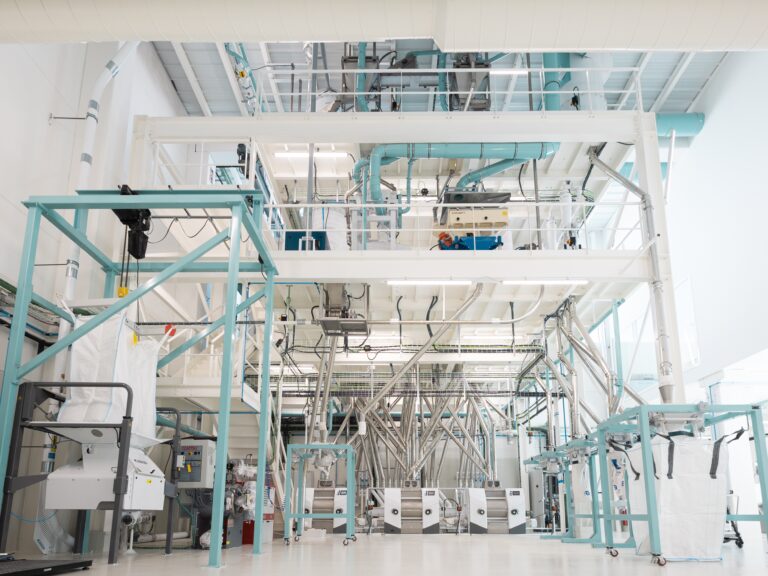
However, working with highly hydrated dough at scale presents significant technical challenges, particularly in terms of handling, stability and consistency. Scaling this type of dough requires strong process control and expertise. At Europastry, this is addressed through a deep understanding of dough behaviour and careful management of production parameters to ensure consistent results.
This is further supported by extended rest periods and multi-stage fermentation processes, which help stabilise the dough while encouraging the development of its characteristic open, irregular crumb. These processes are essential in translating what is traditionally a craft technique into an industrial environment without compromising quality.
Sourdough plays a central role in the product’s identity. How do you ensure consistency in flavour and performance when working with sourdough at an industrial level?
Sourdough is a key element of Pan Cristallino. It brings flavour, aroma and texture, while also improving shelf life, digestibility and freshness.
At Europastry, we work with different types of sourdough, specifically developed to deliver particular aromatic profiles or functional properties. This allows us to maintain consistency while preserving the distinctive character of the product.
This expertise is built on decades of experience working with sourdough, where fermentation is carefully controlled to ensure stability across large-scale production. By combining this knowledge with advanced process control, it is possible to achieve both consistency and complexity, ensuring that every product delivers the same sensory experience while retaining the nuances associated with traditional sourdough baking.
The product’s open crumb and distinctive crunch are key sensory attributes. Can you explain how ingredient selection and fermentation work together to achieve this structure?
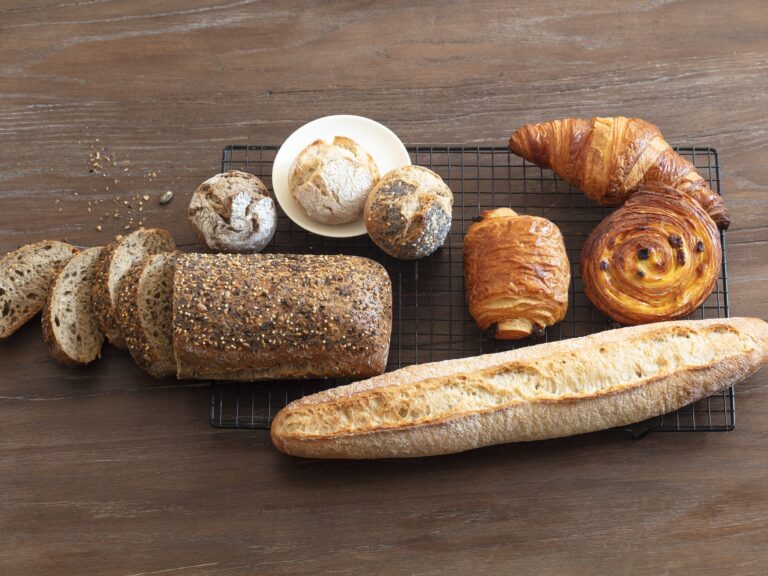
Pan Cristallino is characterised by its light, open crumb and soft texture, combined with a crisp crust. These attributes are mainly the result of the combination of high hydration, the use of sourdough, and a balanced fermentation process.
The simplicity of the recipe – based on flour, water, salt, olive oil and sourdough – allows each component to play a clear role. Sourdough, in particular, enhances texture, aroma and structure, while hydration and fermentation work together to create a highly aerated dough.
The result is a distinctive honeycombed interior, which not only defines the visual identity of the bread but also improves its functionality, allowing it to absorb flavours effectively. This makes Cristallino particularly suitable for a wide range of applications, from sandwiches to more premium foodservice offerings.